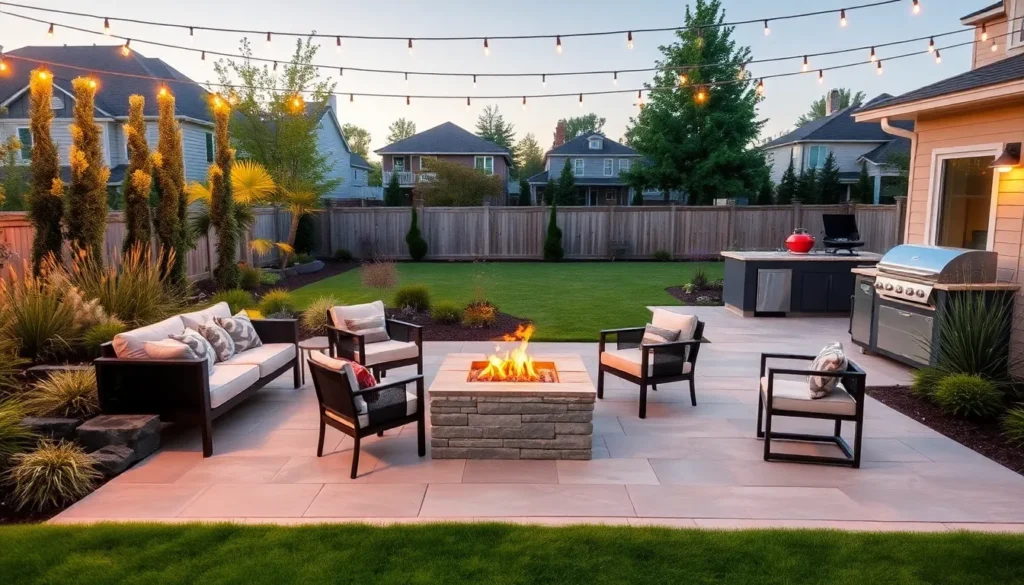

A backyard makeovers guide can turn an underused outdoor area into a functional living space. Many homeowners overlook their backyards, treating them as afterthoughts rather than extensions of their homes. The right approach changes everything.
Whether the goal is creating a relaxation retreat, an entertainment hub, or a productive garden space, a well-planned backyard makeover delivers real value. Studies show outdoor living spaces can increase home values by 10-20%. Beyond financial returns, a thoughtfully designed backyard provides daily enjoyment and improves quality of life. This guide covers the essential steps to plan, budget, and execute a successful backyard transformation.
Table of Contents
ToggleKey Takeaways
- A well-planned backyard makeover can increase your home’s value by 10-20% while improving daily quality of life.
- Start your backyard makeovers guide process by assessing sunlight, drainage, and current usage patterns before making any changes.
- Set a realistic budget with a 15-20% contingency fund to cover unexpected costs like hidden rocks or irrigation issues.
- Balance hardscaping foundations (patios, paths) with softscaping elements like native plants for a functional, low-maintenance design.
- Consider a phased approach—complete structural elements first, then add plants and finishing touches over time to spread costs.
- Combine DIY tasks like planting and décor with professional help for electrical, drainage, and complex structural work to maximize results.
Assessing Your Current Backyard and Setting Goals
Every successful backyard makeover starts with honest assessment. Walk the space at different times of day. Note where sunlight falls, where water pools after rain, and which areas get the most use.
Create a simple sketch of the current layout. Mark existing features like trees, slopes, utility boxes, and structures. This baseline helps identify what works, what doesn’t, and what potential exists.
Define Clear Objectives
Ask specific questions before making any changes:
- How will the space be used most often?
- Who will use it (children, pets, adults, elderly family members)?
- What problems need solving (drainage, privacy, shade)?
- Which existing elements should stay?
Prioritize these needs. A family with young kids might prioritize safe play areas. Someone who loves cooking might focus on an outdoor kitchen. Empty nesters might want a low-maintenance garden retreat.
Consider Climate and Conditions
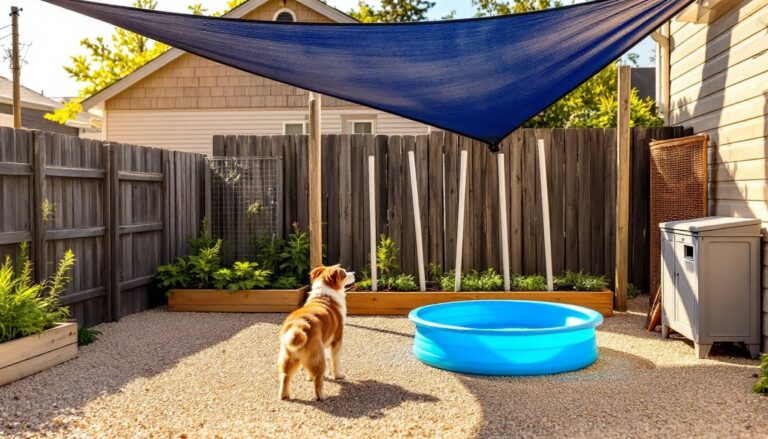
Local climate shapes every backyard makeover decision. Hot, dry regions need drought-tolerant plants and shade structures. Rainy climates require good drainage and covered areas. Understanding these factors prevents costly mistakes and ensures long-term success.
Budget Planning for Your Backyard Makeover
Backyard makeovers range from a few hundred dollars to tens of thousands. Setting a realistic budget upfront prevents financial stress and helps prioritize spending.
Establish Your Total Budget
Decide the maximum amount available for the project. Then add a 15-20% contingency for unexpected costs. Surprises happen, hidden rocks, irrigation issues, material price changes. That buffer keeps the project on track.
Break Down Costs by Category
Typical backyard makeover expenses include:
| Category | Budget Range |
|---|---|
| Hardscaping (patios, paths) | 30-40% |
| Plants and landscaping | 20-30% |
| Furniture and décor | 15-25% |
| Lighting and electrical | 10-15% |
| Irrigation and drainage | 10-15% |
These percentages shift based on specific goals. Someone building an elaborate patio might allocate 50% to hardscaping. A plant lover might flip those priorities.
Phased Approach Saves Money
Not everything needs completion at once. Many homeowners spread their backyard makeover over months or years. Start with structural elements like patios and fencing. Add plants next season. Install lighting and finishing touches later. This approach spreads costs and allows adjustments based on how the space gets used.
Essential Design Elements to Consider
Great backyard makeovers balance aesthetics with function. Several key design elements determine success.
Hardscaping Foundation
Hardscaping includes patios, walkways, retaining walls, and built-in features. These elements create the backbone of outdoor spaces. Material choices matter, concrete costs less but natural stone lasts longer and looks better. Pavers offer middle-ground pricing with good durability.
Consider traffic flow. Where do people naturally walk? Place paths there. Create distinct zones for different activities without making the space feel chopped up.
Plant Selection and Softscaping
Plants bring life and color to any backyard makeover. Choose plants suited to local conditions. Native species typically require less water and maintenance while supporting local wildlife.
Layer plantings by height: tall trees and shrubs in back, medium perennials in middle, low groundcovers in front. This creates visual depth and interest throughout the seasons.
Lighting Strategy
Outdoor lighting extends usable hours and adds ambiance. Mix functional lighting (path lights, task lighting) with accent lighting (uplights on trees, string lights for atmosphere). Solar options reduce installation costs and energy bills.
Privacy and Boundaries
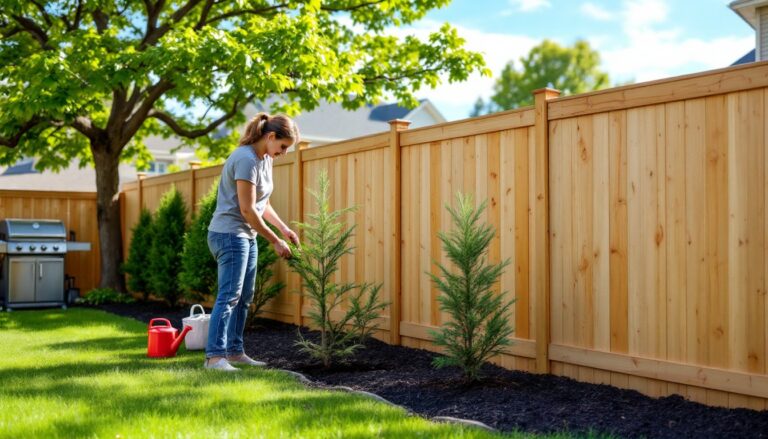
Fences, hedges, and strategic plantings create privacy. Tall ornamental grasses screen views quickly. Evergreen shrubs provide year-round coverage. Pergolas with climbing vines offer overhead privacy from neighboring windows.
Popular Backyard Makeover Ideas
Certain backyard makeover trends deliver consistent results. These ideas work across various budgets and space sizes.
Outdoor Living Rooms
Extend indoor comfort outside with weather-resistant furniture, area rugs, and décor. Create conversation areas with comfortable seating arranged around a focal point like a fire pit or water feature. This approach makes backyards feel like additional living space.
Kitchen and Dining Areas
Outdoor kitchens range from simple grill stations to full setups with refrigerators, sinks, and countertops. Even a basic cooking area with adjacent dining space transforms how families eat during warm months. Built-in grills and pizza ovens have become particularly popular.
Fire Features
Fire pits and outdoor fireplaces extend the backyard season into cooler months. They create natural gathering spots and add warmth on chilly evenings. Options range from $100 portable fire pits to $5,000+ custom stone fireplaces.
Water Elements
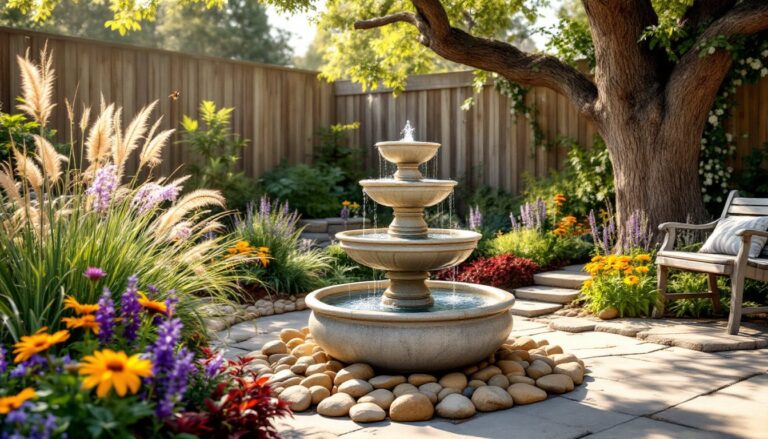
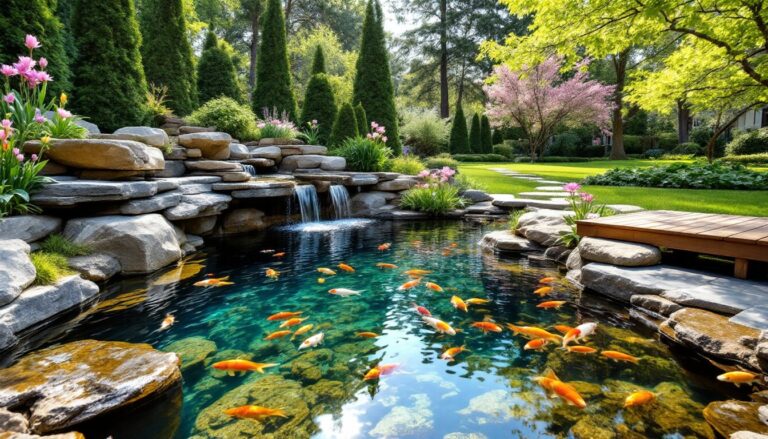
Fountains, ponds, and even small waterfalls add sound and movement. Running water masks neighborhood noise and creates a peaceful atmosphere. Self-contained fountains offer the easiest installation for DIY backyard makeovers.
Low-Maintenance Gardens
Xeriscaping and native plant gardens reduce watering and upkeep demands. These backyard makeovers suit busy homeowners who want beauty without weekend yard work. Mulch, gravel, and drought-tolerant plants create attractive spaces with minimal care.
DIY vs. Hiring Professionals
Deciding between DIY work and professional help affects budget, timeline, and results. Both approaches have clear advantages.
When DIY Makes Sense
Homeowners can handle many backyard makeover tasks themselves:
- Planting beds and gardens
- Installing simple path pavers
- Building raised planters
- Assembling furniture and décor
- Adding basic lighting
- Painting or staining existing structures
DIY saves labor costs, which typically represent 50-65% of professional project prices. It also provides flexibility to work at your own pace.
When to Hire Professionals
Some projects require expertise:
- Electrical work (permits and safety codes apply)
- Major grading or drainage solutions
- Retaining walls over 3 feet
- Gas line installation for outdoor kitchens
- Large concrete pours
- Complex irrigation systems
Professionals bring experience that prevents costly errors. A poorly built retaining wall can fail and damage property. Incorrect electrical work creates fire hazards.
Hybrid Approach
Many successful backyard makeovers combine both strategies. Hire contractors for structural work and technical installations. Handle planting, decorating, and finishing touches yourself. This balances cost savings with quality results on critical elements.