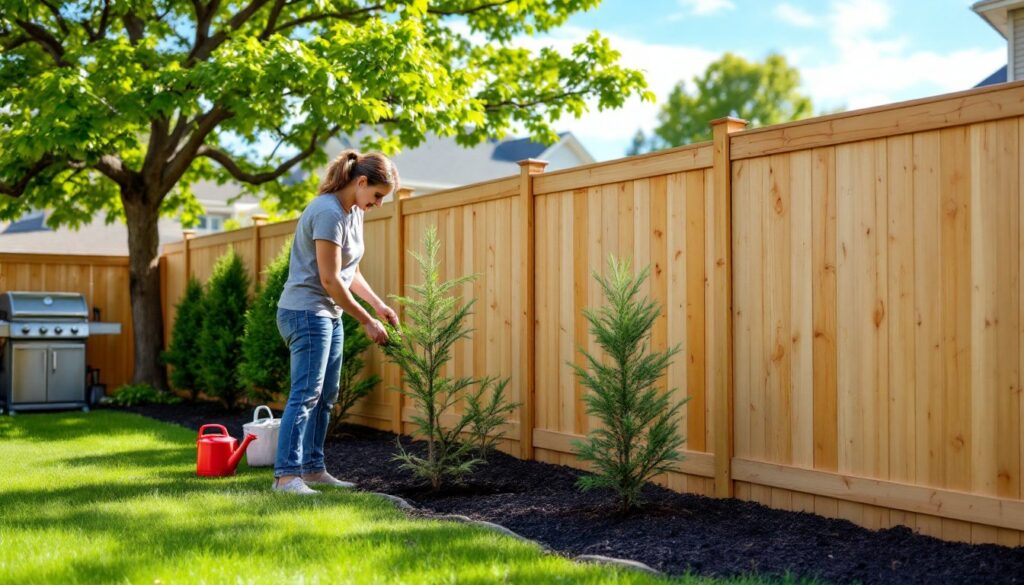

Privacy in the backyard isn’t just about blocking sightlines, it’s about creating a space where someone can grill on Sunday, let the kids run wild, or soak in the hot tub without feeling like they’re on display. Whether the issue is a too-close neighbor, a busy street, or just the desire for a true outdoor retreat, solving for privacy transforms how a yard gets used. The good news? Adding privacy doesn’t require a contractor or a five-figure budget. From fast-growing hedges to weekend fence projects, homeowners have more options in 2026 than ever before.
Table of Contents
ToggleKey Takeaways
- Backyard privacy increases both property value and outdoor usability by allowing families to enjoy meals, recreation, and relaxation without feeling exposed.
- Fast-growing evergreen trees like Arborvitae and clumping bamboo provide year-round privacy coverage in just 2–3 years without the expense of permanent structures.
- Combining multiple privacy solutions—such as evergreen hedges paired with fences or trellis screens with climbing plants—creates layered protection that works better than single methods.
- DIY privacy projects like freestanding screens, outdoor curtains, and bamboo roll fencing can be completed in a weekend for under $100 per linear foot.
- Budget-friendly alternatives including strategic furniture placement, repurposed materials, and cuttings-grown hedges let renters and cost-conscious homeowners add privacy without contractor costs or permits.
- Solid masonry walls and vinyl fencing offer low-maintenance durability but cost significantly more ($25–$150 per linear foot installed), making them best for permanent privacy investments.
Why Backyard Privacy Matters for Your Home
A private backyard increases both usability and property value. Families use outdoor spaces more often when they don’t feel exposed to neighbors or passersby. That means more meals outside, more playtime for kids, and better ROI on features like patios, fire pits, and outdoor kitchens.
Privacy also reduces noise intrusion. Strategic plantings and solid barriers dampen street sounds, barking dogs, and neighboring conversations. In dense suburban or urban settings, this acoustic benefit can be as valuable as the visual screen.
From a resale perspective, buyers consistently rank private yards higher than open ones. A well-executed privacy solution signals that the outdoor space is finished and functional, not an afterthought. Just make sure any permanent structures comply with local setback and height restrictions. Most municipalities cap fence height at six feet in rear yards, though regulations vary widely.
Natural Privacy Solutions: Landscaping and Greenery
Living screens offer privacy that grows denser over time. Unlike fences, plants add seasonal interest, support pollinators, and improve air quality. The tradeoff? They require patience, regular watering during establishment, and occasional pruning.
Evergreen trees provide year-round coverage. Arborvitae (Thuja) varieties like ‘Green Giant’ grow 3–5 feet per year and reach 12–15 feet tall at maturity, making them a go-to for fast results. Leyland cypress grows even faster but needs more space, plan for a mature width of 15–20 feet. Plant evergreens at least three feet from property lines to avoid disputes as they fill out.
Bamboo creates a dense screen quickly, but choose clumping varieties (Fargesia species) rather than running types, which spread aggressively and can invade neighboring yards. Clumping bamboo stays contained and reaches 10–15 feet in most climates. It thrives in both sun and partial shade.
Ornamental grasses like miscanthus or pampas grass work well for informal borders. They grow 6–10 feet tall, need minimal maintenance, and die back in winter, which may or may not suit the privacy goal depending on season. Pair them with evergreen shrubs for year-round coverage.
All plantings benefit from drip irrigation during the first two years. Hand-watering rarely penetrates deep enough to establish strong roots, especially in clay or compacted soils.
Hedge and Shrub Options for Year-Round Coverage
Boxwood (Buxus) is a classic choice for formal hedges. It grows slowly, about 3–6 inches per year, so it’s best for knee- to waist-high borders rather than tall screens. Boxwood tolerates heavy shearing and stays green through winter, but it’s susceptible to boxwood blight in humid regions. Inspect plants before purchase and avoid overhead watering.
Privet (Ligustrum) grows faster than boxwood and handles neglect better. It reaches 8–12 feet untrimmed and responds well to aggressive pruning. California privet is semi-evergreen in cold zones: Japanese privet holds foliage year-round in USDA zones 7–10.
Skip laurel (Prunus laurocerasus ‘Schipkaensis’) tolerates shade better than most screening shrubs and grows 6–10 feet tall. Its glossy leaves stay green all winter, and it establishes quickly in average soil. Space plants 4–5 feet apart for a solid hedge within three years.
Photinia (Red Tip Photinia) offers bold red new growth in spring and reaches 10–15 feet at maturity. It’s drought-tolerant once established but prone to leaf spot in areas with high humidity and poor air circulation. Avoid planting too close together, crowding invites disease.
For all hedge plantings, till a three-foot-wide bed rather than digging individual holes. Amend with compost, and mulch with 2–3 inches of shredded bark to retain moisture and suppress weeds. Those planning a backyard transformation often start with greenery before adding hardscape elements.
Structural Privacy Features: Fences, Screens, and Walls
Fences deliver instant privacy and define property boundaries clearly. Wood fences remain the most common choice. A standard privacy fence uses 6-foot cedar or pressure-treated pine boards on 4×4 posts set 8 feet on center. Cedar weathers to gray without finish: pressure-treated lumber needs stain or sealant every 2–3 years to prevent rot.
Dig post holes 30–36 inches deep (below frost line in cold climates) and set posts in concrete. Use a 2-foot level and temporary bracing to hold posts plumb while concrete cures. Attach 2×4 horizontal rails, then nail or screw pickets to the rails. Overlap pickets slightly or use tongue-and-groove boards for a gap-free screen.
Vinyl fencing costs more upfront but eliminates painting and rot issues. It won’t splinter, and most manufacturers offer 20-year warranties. The downside? Vinyl can crack in extreme cold and yellows over time in harsh sun. It also lacks the structural strength of wood for gates wider than 4 feet.
Metal privacy panels, perforated aluminum or laser-cut steel, add a modern aesthetic. They’re durable and low-maintenance but conduct heat in full sun, making them less comfortable near seating areas. Powder-coated finishes resist rust: expect to pay $75–$150 per linear foot installed, depending on design complexity.
Lattice and trellis screens offer partial privacy and support climbing plants. Mount 4×8 lattice panels between posts for a quick vertical element, then train jasmine, clematis, or climbing roses for seasonal coverage. This works well for sectioning off a patio without fully enclosing it.
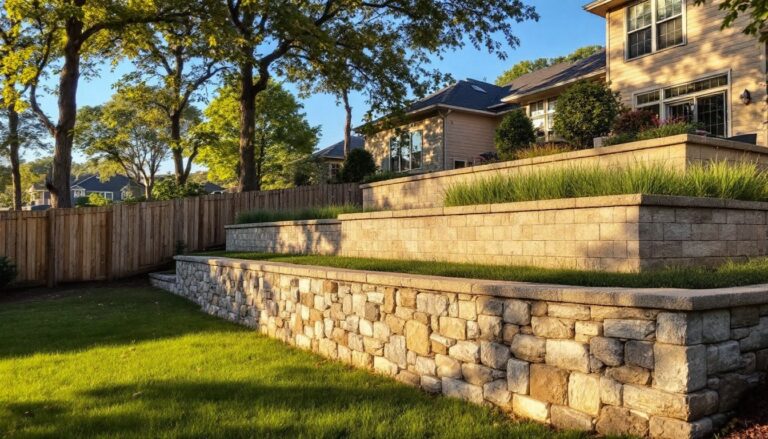
Masonry walls, brick, stone, or stucco-covered CMU (concrete masonry units), provide permanence and soundproofing but require footings and often a building permit. Walls over 3 feet tall usually need engineered plans in seismic or high-wind zones. Hiring a mason costs $25–$50 per square foot, making walls the priciest privacy option. Many landscaping projects combine walls with plantings for a layered effect.
DIY Privacy Projects You Can Complete This Weekend
A freestanding privacy screen made from 2×2 or 2×4 framing and 1×6 slats can go up in a day. Build a rectangular frame, space slats vertically at 1-inch intervals, and anchor the frame with 4×4 posts sunk in concrete or heavy-duty planter boxes. Stain or paint before assembly to cover all edges.
For renters or anyone avoiding permanent structures, outdoor curtains on a galvanized pipe frame create flexible privacy. Use ½-inch or ¾-inch black iron pipe and floor flanges to build a freestanding U-shape frame, then hang weather-resistant fabric (Sunbrella or similar) on curtain rings. This setup moves easily and stores flat in winter.
Pallet screens repurpose shipping pallets into rustic dividers. Sand pallets smooth (wear a dust mask, old pallets can harbor mold or chemicals), then stand them upright and secure to a 2×4 base or anchor with metal stakes driven into the ground. Paint or leave raw for a weathered look. Be selective, only use pallets stamped HT (heat-treated), never MB (methyl bromide), which is toxic.
Bamboo roll fencing attaches to existing chain-link or wire fencing in under an hour. Unroll the bamboo, secure with zip ties every 12 inches, and trim ends with a handsaw. This adds 4–6 feet of instant screening for about $1 per linear foot. UV-resistant rolls last 3–5 years before needing replacement.
Living walls using modular planter panels mount to fences or exterior walls. These systems hold trailing plants (pothos, ferns, succulents) in stacked pockets. Install a drip line along the top, and plants fill in within weeks. Lightweight and reversible, they’re ideal for small patios. Many homeowners incorporate this idea into broader outdoor makeover plans.
All DIY projects benefit from renting rather than buying specialty tools. A post-hole digger or power auger, miter saw, and pneumatic nailer make work faster and cleaner but aren’t worth buying for a single project. Most tool rental counters charge $40–$80 per day.
Budget-Friendly Privacy Ideas for Every Homeowner
Start with the simplest fix: strategic furniture placement. A pergola, large umbrella, or outdoor sectional positioned to block sightlines costs nothing if these elements already exist. Add outdoor rugs and tall potted plants to define zones and create psychological barriers even when physical coverage is incomplete.
Repurposed materials slash costs. Old doors, corrugated metal panels, or reclaimed wood make characterful privacy screens. Check salvage yards, Habitat for Humanity ReStores, or online marketplaces. Clean and stabilize materials (remove nails, sand splinters, treat for insects), then mount on simple frames. This approach suits casual or cottage-style yards better than formal landscapes.
Privacy hedges from cuttings grow for free but take patience. Willow and forsythia root easily from 12-inch cuttings stuck directly into moist soil in early spring. Within two years, rooted cuttings grow into shrubs dense enough for screening. It’s slower than buying nursery stock but costs only time and water.
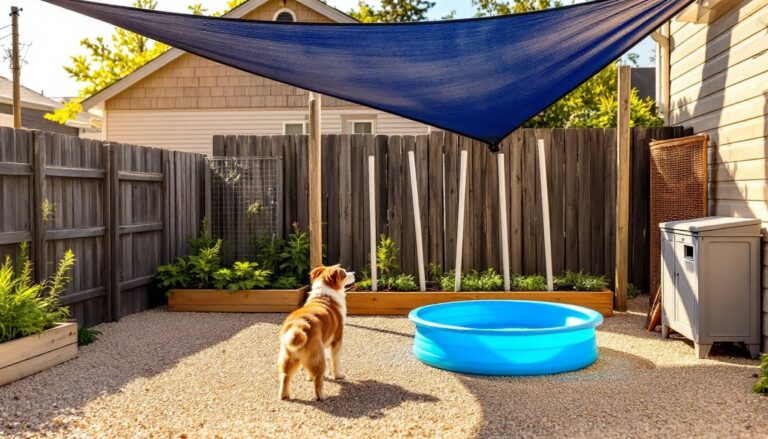
Shade sails stretched overhead don’t block side views but reduce the feeling of exposure from upper-story windows. Triangle or square sails in 12×12 or 16×16 foot sizes run $50–$150 and mount to existing posts, trees, or exterior walls with turnbuckles and eye bolts. Angle sails to shed rain and provide afternoon shade.
Tiered planters create vertical screening without digging or permanent installation. Stack galvanized stock tanks, cedar planter boxes, or even cinder blocks filled with soil, then plant trailing annuals or compact shrubs. Move arrangements as needs change, and bring tender plants indoors before frost. Resources like Better Homes & Gardens offer seasonal planting guides tailored to privacy goals.
Staggered fence extensions add height to existing fences without replacing them. Attach 1×2 or 1×3 lattice toppers to posts using L-brackets, increasing total height by 1–2 feet. This keeps costs under $5 per linear foot and often avoids permit requirements since the original fence remains under height limits. Check local codes, some jurisdictions measure total height including extensions. Beginners tackling similar projects benefit from reviewing practical makeover advice before starting.
Bulk material buys reduce per-unit costs. Buying fence pickets by the bundle rather than individually saves 20–30%. Same for mulch (buy by the cubic yard, not the bag) and plants (bare-root stock costs half as much as potted). Time purchases around end-of-season sales at nurseries, late summer and fall offer deep discounts on perennials and shrubs.
Conclusion
Backyard privacy isn’t one-size-fits-all. The right solution depends on budget, timeline, yard conditions, and personal style. A combination approach, evergreen hedges fronting a fence, or climbing vines on a trellis screen, often works better than relying on a single method. Start with what matters most (blocking a specific view, dampening noise, creating shade), then layer additional features as time and money allow. The result is an outdoor space that feels like an extension of the home rather than a fishbowl.