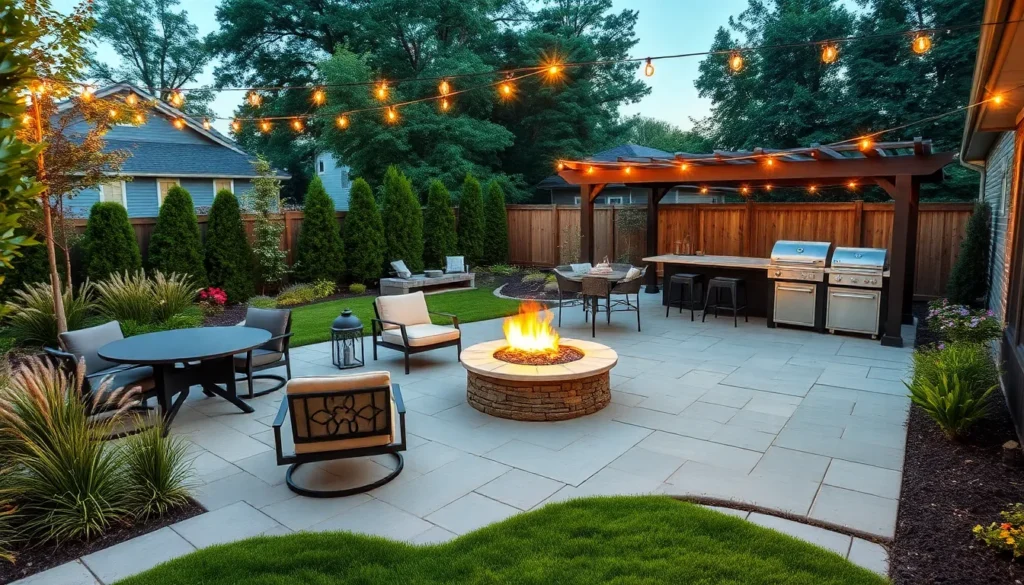

The best backyard makeovers turn neglected yards into functional outdoor living spaces. A well-planned transformation adds value to a home and creates a personal retreat for relaxation or entertaining guests. Whether working with a compact patio or a sprawling lawn, homeowners can achieve stunning results with the right approach.
This guide covers essential steps for planning a backyard makeover. It explores budget strategies, landscaping ideas, functional zone design, and finishing touches that elevate any outdoor space. By the end, readers will have a clear roadmap for creating their dream backyard.
Table of Contents
ToggleKey Takeaways
- The best backyard makeovers start with a realistic budget, typically ranging from $4,000 to $20,000 depending on scope.
- Divide your budget into categories: landscaping (30-40%), hardscaping (25-35%), furniture (15-20%), and lighting (10-15%) for effective planning.
- Create distinct functional zones for dining, relaxation, and activities to maximize usability and organization.
- Choose native plants and lawn alternatives like clover or artificial turf to reduce water usage and maintenance.
- Layer outdoor lighting with ambient, task, accent, and path fixtures to extend backyard usability into evening hours.
- Finishing touches like outdoor rugs, planters, and weather-resistant décor personalize the space and complete your backyard makeover.
Setting a Budget and Planning Your Vision
Every successful backyard makeover starts with a realistic budget. Homeowners should determine how much they can spend before selecting materials or hiring contractors. A clear financial plan prevents overspending and keeps the project on track.
The average backyard makeover costs between $4,000 and $20,000, depending on scope. Simple upgrades like new plants and outdoor furniture fall on the lower end. Major renovations involving hardscaping, water features, or outdoor kitchens push costs higher.
Breaking the budget into categories helps with planning. Consider allocating funds across these areas:
- Landscaping (30-40%): Plants, trees, sod, mulch
- Hardscaping (25-35%): Patios, walkways, retaining walls
- Furniture and décor (15-20%): Seating, tables, accessories
- Lighting and extras (10-15%): Outdoor lights, fire pits, water features
Before purchasing anything, homeowners should sketch their ideal backyard layout. This vision document guides all future decisions. They can use free online tools or apps to create a basic design. Professional landscape designers charge $200 to $500 for detailed plans, which may be worthwhile for complex makeovers.
The best backyard makeovers account for local climate and maintenance requirements. A homeowner in Arizona will make different choices than one in Oregon. Native plants reduce water usage and thrive with minimal care. Understanding the property’s sun exposure, drainage patterns, and soil type prevents costly mistakes later.
Landscaping Ideas That Create Lasting Impact
Landscaping forms the foundation of any backyard makeover. Strategic plant placement, lawn alternatives, and hardscape elements work together to create visual appeal.
Choosing the Right Plants
Plants add color, texture, and privacy to outdoor spaces. Layered planting creates depth, tall trees in back, medium shrubs in the middle, and low groundcovers in front. This approach makes even small backyards feel larger.
Perennials offer long-term value since they return each year. Popular options include lavender, hostas, and ornamental grasses. Annuals like petunias and marigolds provide seasonal color but require yearly replanting.
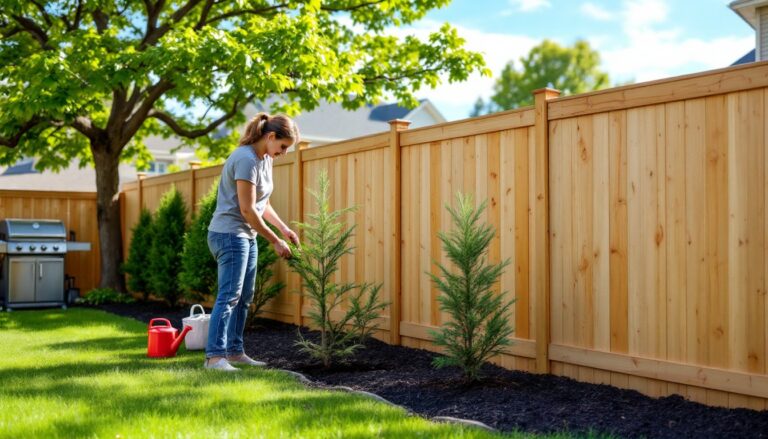
For privacy, fast-growing hedges like privet or arborvitae create natural barriers. They cost less than fencing and soften the overall look.
Lawn Alternatives Worth Considering
Traditional grass lawns demand significant water and maintenance. Many best backyard makeovers now incorporate alternatives:
- Clover lawns: Stay green with less water and attract pollinators
- Artificial turf: Zero maintenance, ideal for play areas
- Gravel gardens: Low-water option with drought-tolerant plants
- Ground cover plants: Creeping thyme or sedum replace grass in low-traffic zones
Adding Hardscape Elements
Hardscaping includes patios, pathways, and stone features. These elements define spaces and reduce lawn maintenance. Flagstone patios create natural-looking gathering areas. Paver walkways guide visitors through the yard while protecting plants from foot traffic.
Retaining walls serve both functional and aesthetic purposes. They prevent erosion on sloped properties and create tiered planting beds. Natural stone costs more than concrete blocks but offers a timeless appearance.
Functional Zones for Relaxation and Entertainment
The best backyard makeovers divide outdoor space into distinct zones. Each area serves a specific purpose, making the yard more usable and organized.
Outdoor Dining and Cooking Areas
An outdoor kitchen extends living space and encourages al fresco meals. Basic setups include a grill station and prep counter. More elaborate versions feature built-in refrigerators, sinks, and pizza ovens.
Positioning matters for outdoor cooking zones. They should sit close to the indoor kitchen for easy food transport but away from seating areas to manage smoke and heat. A covered pergola or awning protects the space from sun and rain.
Relaxation Spaces
Quiet corners invite rest and reflection. A hammock strung between trees costs under $100 and creates instant relaxation appeal. Adirondack chairs around a fire pit encourage conversation on cool evenings.
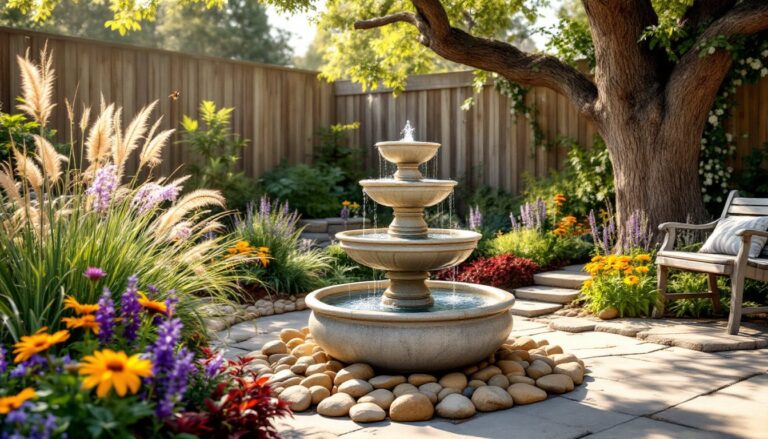
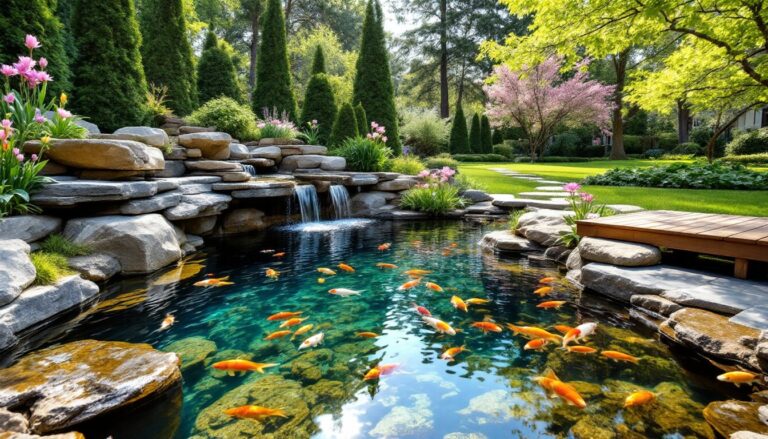
Water features add calm to any backyard makeover. Fountains produce soothing sounds that mask traffic noise. Small ponds attract wildlife and create visual interest. Even a simple birdbath enhances the space.
Play and Activity Zones
Families with children benefit from dedicated play areas. Swing sets, sandbox pits, and playhouses keep kids entertained outdoors. Artificial turf under play equipment cushions falls and eliminates mud.
Adults enjoy activity zones too. Bocce ball courts, horseshoe pits, and putting greens fit many backyard sizes. These features encourage outdoor time and provide entertainment for guests.
Smart zone planning considers traffic flow between areas. Pathways should connect zones logically. A person carrying food from the kitchen should have a clear route to the dining table.
Lighting and Finishing Touches
Proper lighting extends backyard usability into evening hours. It also adds safety and ambiance to outdoor spaces.
Types of Outdoor Lighting
Layered lighting works best for backyard makeovers. Combine these types for full coverage:
- Ambient lighting: String lights or lanterns create general illumination
- Task lighting: Bright fixtures over cooking and dining areas
- Accent lighting: Spotlights highlight trees, sculptures, or architectural features
- Path lighting: Low fixtures guide movement along walkways
Solar-powered options reduce energy costs and simplify installation. They require no wiring and charge during daylight hours. LED bulbs last longer and use less electricity than traditional options.
Finishing Touches That Matter
Small details complete the best backyard makeovers. Outdoor rugs define seating areas and add warmth. Throw pillows in weather-resistant fabrics introduce color and comfort.
Planter boxes and decorative pots allow flexibility. Homeowners can move them seasonally or swap plants without major changes. Vertical gardens maximize growing space on fences or walls.
Art and sculptures personalize outdoor spaces. Metal sculptures withstand weather well. Wind chimes add gentle sound. Even a well-placed mirror can make a small backyard feel more spacious.
Seasonal decorations keep the backyard feeling fresh. Simple changes like new cushion covers or potted flowers update the look without major expense.