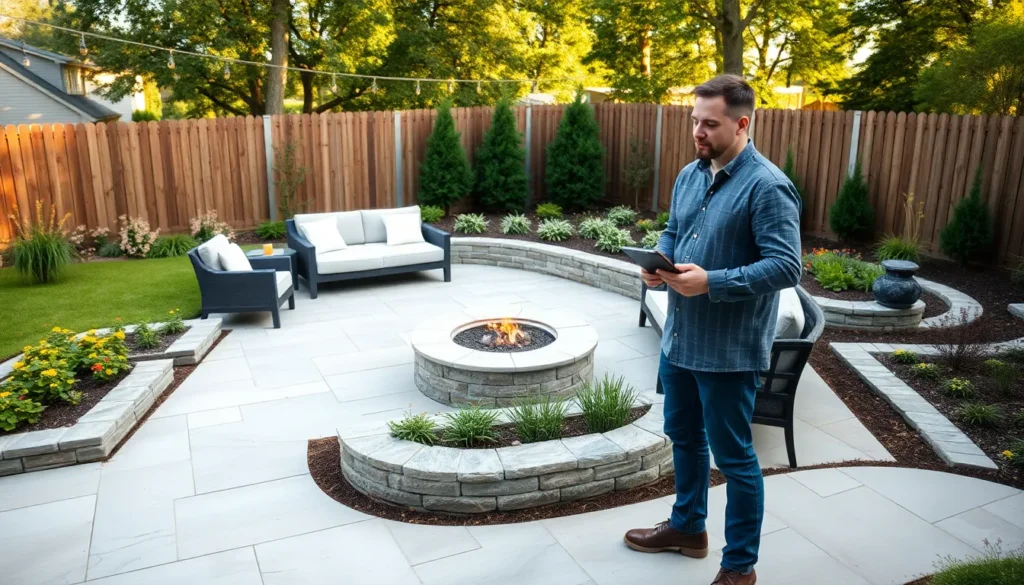

A backyard makeover transforms an ordinary outdoor space into a functional retreat. Homeowners across the country are rethinking their yards, turning patchy lawns into entertaining zones, vegetable gardens, or peaceful escapes. The process doesn’t require a massive budget or professional expertise. It requires a clear plan and the willingness to get started.
This guide covers every step of a successful backyard makeover. From assessing the space to choosing between DIY projects and professional help, readers will find practical advice they can use this weekend. Whether the goal is a complete transformation or a simple refresh, these strategies deliver real results.
Table of Contents
ToggleKey Takeaways
- Start your backyard makeover by assessing the space, noting sun exposure, drainage issues, and existing features worth keeping.
- Set a realistic budget between $3,000 and $15,000 for an average project, and always include a 10-15% contingency fund for unexpected costs.
- Choose a design theme that matches your actual lifestyle—entertainers need different features than those seeking a quiet retreat.
- Create structure with focal points, defined zones, proper lighting, and comfortable seating to make the space both beautiful and functional.
- Layer plants by height and group those with similar water needs together to reduce long-term maintenance.
- Tackle DIY projects like planting and mulching yourself, but hire professionals for electrical work, concrete, and major drainage solutions.
Assess Your Space And Set A Budget
Every successful backyard makeover starts with honest assessment. Walk the entire yard. Note sunny spots, shaded areas, drainage issues, and existing features worth keeping. Take measurements and sketch a rough layout. This information shapes every decision that follows.
Budget matters more than most people admit. A backyard makeover can cost anywhere from $500 for basic improvements to $50,000 or more for a complete overhaul. The average homeowner spends between $3,000 and $15,000. Set a realistic number before browsing Pinterest or visiting garden centers.
Break the budget into categories:
- Hardscaping (patios, walkways, fencing): 40-50%
- Plants and landscaping: 20-30%
- Furniture and accessories: 15-20%
- Contingency fund: 10-15%
That contingency fund matters. Unexpected costs appear in almost every backyard makeover project. A hidden root system, poor soil quality, or a brilliant last-minute idea can blow a tight budget.
Consider the yard’s current condition. A space with good bones, mature trees, solid fencing, decent drainage, requires less investment than one starting from scratch. Be honest about what stays, what goes, and what needs repair.
Choose A Design Theme That Fits Your Lifestyle
A backyard makeover should match how people actually live, not how they imagine living. Someone who hosts summer barbecues needs different features than someone seeking a quiet reading spot.
Popular design themes include:
Modern minimalist: Clean lines, neutral colors, low-maintenance plants. Works well for busy homeowners who want style without constant upkeep.
Cottage garden: Abundant flowers, winding paths, and a relaxed feel. Requires more maintenance but delivers charm.
Outdoor living room: Comfortable seating, weatherproof rugs, and defined zones for cooking and lounging. Perfect for entertainers.
Native landscape: Plants indigenous to the region. Lower water bills, less maintenance, and better for local wildlife.
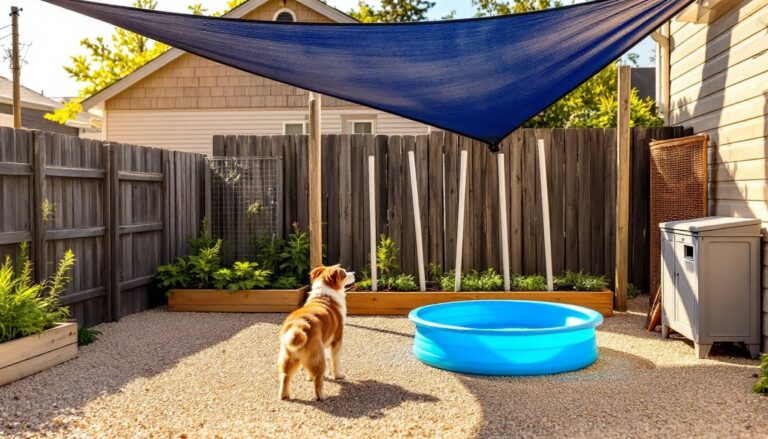
The best backyard makeover themes solve real problems. A family with young children might prioritize soft lawn areas and visible sightlines. Pet owners need durable ground cover and secure fencing. Avid gardeners want raised beds with good sun exposure.
Climate plays a role too. A Mediterranean-style yard with succulents thrives in Arizona but struggles in Minnesota. Choose plants and materials suited to local weather patterns. This decision saves money and frustration over time.
Essential Elements For Your Backyard Transformation
Certain elements appear in nearly every successful backyard makeover. They create structure, add visual interest, and make the space usable.
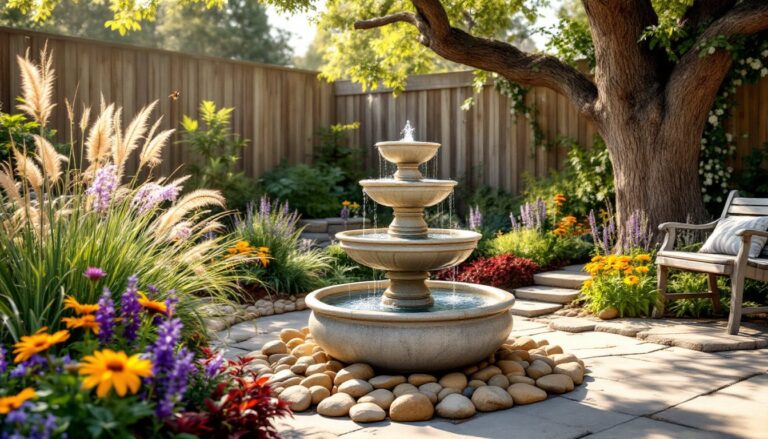
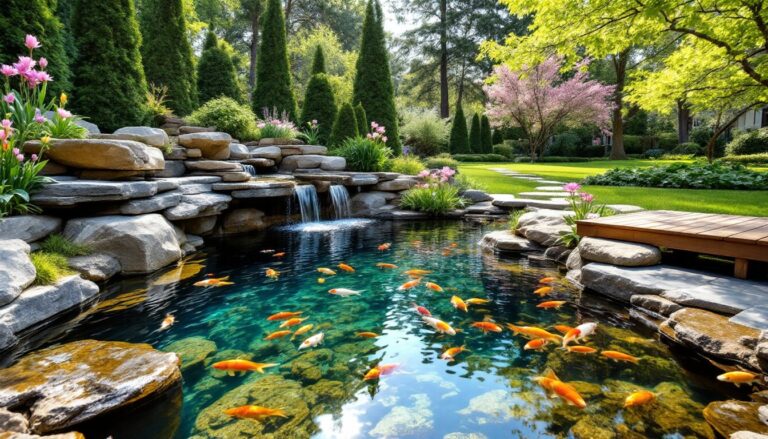
A focal point draws the eye and anchors the design. This could be a fire pit, water feature, specimen tree, or outdoor sculpture. Without a focal point, yards feel scattered and incomplete.
Defined zones organize the space. Separate the dining area from the play area, the garden beds from the lawn. Use hedges, planters, pathways, or changes in elevation to create boundaries.
Lighting extends usability into evening hours. String lights add ambiance. Path lights improve safety. Spotlights highlight architectural features or mature plants.
Comfortable seating encourages people to actually use the space. Invest in quality outdoor furniture that withstands weather and invites lingering.
Landscaping And Planting Tips
Plants bring a backyard makeover to life. They add color, texture, privacy, and seasonal interest. Smart planting choices reduce long-term maintenance.
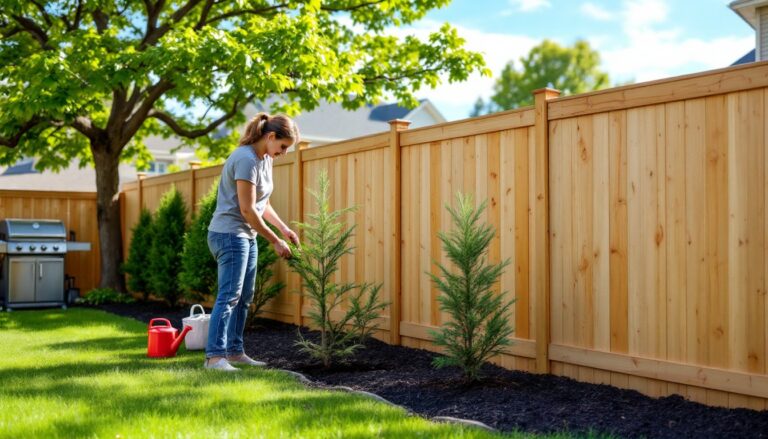
Start with structure plants, trees and large shrubs that form the backbone of the design. These grow slowly, so plant them first. Place them strategically to provide shade, screen unsightly views, or frame key features.
Layer plants by height. Tall specimens go in back, medium-height plants in the middle, and ground covers or low flowers in front. This creates depth and visual interest.
Group plants with similar water and sun needs together. This practice, called hydrozoning, simplifies maintenance and reduces water waste. A drought-tolerant corner shouldn’t neighbor a thirsty flower bed.
Consider year-round appeal. Choose a mix of evergreens for winter structure, spring bloomers, summer perennials, and fall foliage. A well-planned backyard makeover looks good in every season.
Mulch all planted areas. A 2-3 inch layer suppresses weeds, retains moisture, and regulates soil temperature. It also gives beds a finished, cohesive appearance.
DIY Vs. Hiring Professionals
Not every backyard makeover requires a professional. Many projects suit motivated homeowners with basic tools and a free weekend.
Good DIY projects:
- Planting flowers and shrubs
- Building raised garden beds
- Installing string lights or solar path lights
- Laying mulch or gravel
- Assembling furniture
- Painting or staining existing structures
Projects that often need professionals:
- Electrical work for permanent lighting
- Major grading or drainage solutions
- Concrete patios or retaining walls
- Tree removal near structures
- Irrigation system installation
- Structures requiring permits (decks, pergolas, pools)
The decision often comes down to time, skill, and risk. A DIY patio might save money but take three weekends to complete, and look uneven for years. A professional finishes in two days with a level surface and proper drainage.
Get multiple quotes for professional work. Prices vary wildly. Ask for references and check online reviews. A cheap contractor who does poor work costs more than a quality one in the long run.
Many homeowners find a middle path works best. They hire professionals for skilled work like hardscaping and electrical, then handle planting and decorating themselves. This approach delivers professional results while keeping the backyard makeover budget reasonable.