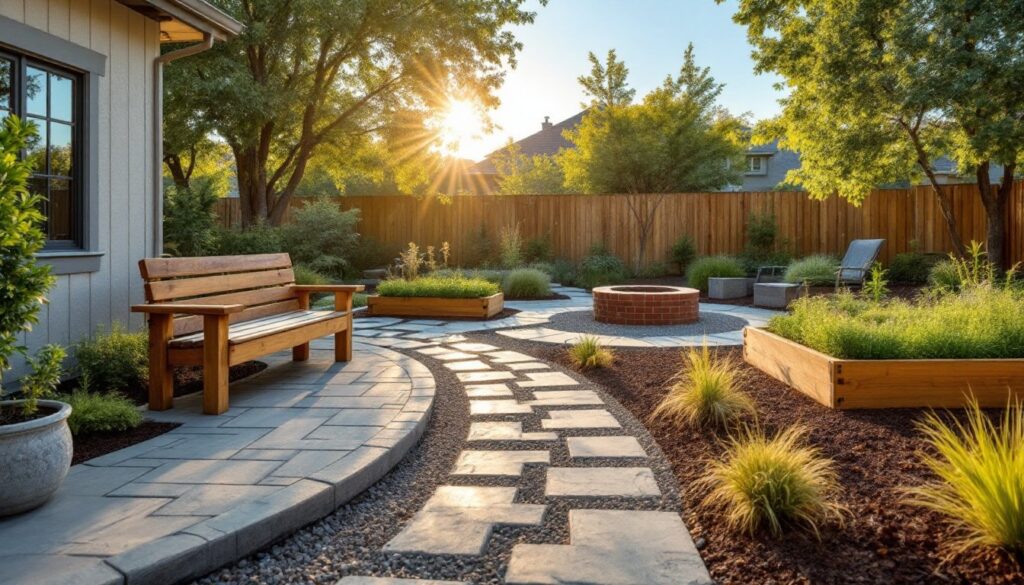

Grass backyards demand weekly mowing, regular watering, fertilizer applications, and constant upkeep. For homeowners looking to reclaim weekends and reduce maintenance costs, eliminating turf opens the door to creative, functional outdoor spaces that cost less to install and even less to maintain. Whether dealing with shaded areas where grass won’t thrive, drought-prone regions with water restrictions, or simply a preference for low-maintenance landscaping, no-grass solutions deliver visual interest without the mower. This guide covers practical, budget-conscious alternatives using materials available at most home centers, along with design strategies that maximize outdoor living space.
Table of Contents
ToggleKey Takeaways
- Budget backyard ideas without grass eliminate the need for weekly mowing, regular watering, and expensive maintenance, saving homeowners time and money while reducing environmental impact.
- Gravel, decomposed granite, and wood mulch offer the most cost-effective ground covers, with installation costs ranging from $25–$60 per cubic yard and minimal tools required.
- Ground cover plants like creeping thyme, clover, and ajuga provide natural grass alternatives that establish in 1–2 seasons and require significantly less water once established.
- Concrete pavers and recycled materials (salvaged brick, reclaimed flagstone, urbanite) create functional patio spaces for $150–$300, transforming yards into defined outdoor living zones.
- Creating functional spaces such as fire pits, raised garden beds, and shade structures transforms no-grass backyards into multi-purpose outdoor areas that maximize usability on tight budgets.
- Start with a small test area before committing to larger transformations, allowing homeowners to test materials and techniques while expanding gradually as budget and time allow.
Why Choose a No-Grass Backyard?
Grass lawns require significant inputs. A standard 2,500-square-foot lawn consumes approximately 15,000 gallons of water annually in moderate climates, more in arid regions facing water restrictions. Weekly mowing adds fuel costs, equipment maintenance, and time, roughly 30 hours per year for an average suburban lot.
No-grass backyards eliminate these recurring expenses. Homeowners in drought-affected areas often face watering restrictions that leave lawns brown and patchy. Replacing turf with gravel, pavers, or ground covers removes that problem entirely. Shaded yards under mature trees struggle to support healthy grass: shade-tolerant ground covers or mulched areas thrive where turf fails.
Environmental benefits matter too. Gas-powered mowers contribute to air pollution and noise. Native ground covers and mulched beds support pollinators and reduce stormwater runoff compared to compacted turf. For DIYers tackling their first major landscaping project, eliminating grass simplifies long-term care and frees up weekends previously spent on lawn maintenance.
Gravel and Stone Pathways for Low-Maintenance Beauty
Gravel offers one of the most cost-effective ground covers available. Pea gravel (small, rounded stones) costs roughly $30–$50 per cubic yard depending on region and supplier. For a 200-square-foot area at 2 inches deep, plan on 1.25 cubic yards.
Installation requires minimal tools. Homeowners need landscape fabric (to suppress weeds), stakes or landscape staples, a rake, and a wheelbarrow. Steps:
- Clear the area of existing vegetation and debris.
- Grade the soil to ensure proper drainage, standing water turns gravel areas into muddy messes.
- Lay landscape fabric across the entire area, overlapping seams by 6 inches. Secure with landscape staples.
- Spread gravel evenly to a depth of 2–3 inches. Rake smooth.
Decomposed granite (DG) provides a similar look with better compaction. It costs slightly more, $40–$60 per cubic yard, but firms up when moistened and rolled, making it ideal for pathways and patios. Many creative outdoor makeovers incorporate DG for a modern, desert-inspired aesthetic.
Safety note: Gravel shifts underfoot. It’s not ideal for high-traffic play areas or accessibility concerns. Consider stabilized DG or pavers for those applications.
Ground Cover Plants as Grass Alternatives
Low-growing perennials replace turf with color, texture, and minimal watering once established. Creeping thyme (Thymus serpyllum) tolerates light foot traffic, releases fragrance when stepped on, and blooms with purple flowers in early summer. It thrives in full sun and well-drained soil, requiring almost no supplemental water after the first season.
Clover (typically white Dutch clover) fixes nitrogen in the soil, stays green with less water than grass, and rarely needs mowing. Some municipalities historically banned clover in lawn seed mixes, but it’s regained popularity as a drought-tolerant, pollinator-friendly option. Clover spreads readily, sometimes too readily, so edge beds carefully.
For shade, ajuga (Ajuga reptans) handles dry shade under trees where grass fails. It spreads via runners and produces blue or purple flower spikes in spring. In deep shade, pachysandra works well but can become invasive in some regions: check local extension service recommendations.
Installation involves spacing plants 6–12 inches apart depending on species, amending soil with compost if needed, and mulching between plants until they fill in. Expect full coverage in 1–2 growing seasons. Most ground covers cost $3–$6 per 4-inch pot: buying flats reduces cost. Water regularly the first season, then reduce once roots establish. Homeowners pursuing beginner-friendly transformations often start with a small test patch before committing to larger areas.
DIY Patio Spaces Using Pavers and Recycled Materials
Concrete pavers transform bare dirt into functional outdoor rooms. Standard 12×12-inch pavers cost $1–$3 each at home centers: a 10×10-foot patio (100 square feet) requires roughly 100 pavers plus sand and gravel base. Total material cost typically runs $150–$300 depending on paver style.
Base prep matters. Skip this step, and pavers will shift and settle unevenly within months. Proper installation:
- Excavate the area to 6–8 inches deep.
- Add 4 inches of crushed gravel (¾-inch minus). Compact with a hand tamper or plate compactor (rent for about $60/day).
- Spread 1 inch of coarse sand. Level with a screed board (a straight 2×4 works).
- Lay pavers in desired pattern, leaving ¼-inch gaps. Tap level with a rubber mallet.
- Sweep polymeric sand into joints. Mist lightly to activate: it hardens and resists weeds.
Recycled materials cut costs further. Reclaimed brick from demolition projects costs $0.50–$1 per brick and adds character. Salvaged flagstone works for irregular patios: pieces interlock like a puzzle, with gaps filled with gravel or creeping thyme. Budget-conscious outdoor projects often feature salvaged materials that deliver high-end looks at thrift-store prices.
Urbanite (broken concrete chunks) creates rustic patios essentially for free. Check Craigslist or local demo sites, many contractors gladly offload concrete. Lay pieces like flagstone, filling gaps with soil and low ground covers.
Safety and codes: Patios generally don’t require permits, but check local regulations if building near property lines or over utilities. Always call 811 before digging.
Mulch and Wood Chips for Natural, Budget-Friendly Coverage
Wood mulch provides the cheapest coverage option. Many municipalities offer free mulch from chipped tree trimming programs, call local parks departments. Commercial mulch costs $25–$40 per cubic yard delivered. A 200-square-foot area at 3 inches deep needs roughly 2 cubic yards.
Types vary in appearance and longevity:
- Hardwood mulch (shredded oak, maple): Dark brown, breaks down in 1–2 years, enriching soil as it decomposes.
- Cedar or cypress mulch: Lighter color, lasts 2–3 years, naturally resists insects.
- Pine bark nuggets: Larger chunks, slower to break down, better for slopes where shredded mulch might wash away.
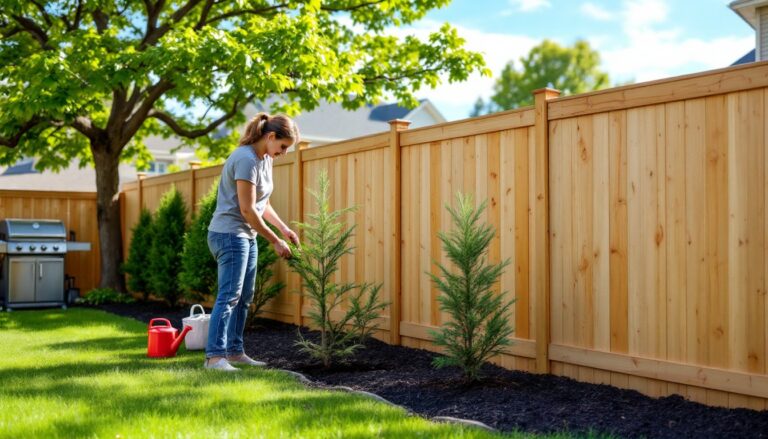
Installation mirrors gravel: clear vegetation, lay landscape fabric to suppress weeds, and spread mulch to 2–3 inches deep. Don’t pile mulch against tree trunks or building foundations, moisture retention can cause rot. Leave 2–3 inches of clearance.
Wood chips (larger, coarser pieces) work well for pathways and informal play areas. Free chips from tree services contain leaves and twigs: they’re less uniform but cost nothing. Chips compact over time and need occasional top-dressing.
Mulch requires replenishment. Plan to add 1 inch annually as material decomposes. For properties focused on transforming outdoor living areas on tight budgets, mulch delivers immediate visual impact with minimal investment.
Avoid dyed mulch in edible gardens, some dyes contain heavy metals. Stick to natural colors for vegetable beds or areas near wells.
Creative Outdoor Living Zones Without Breaking the Bank
No-grass backyards open possibilities for defined outdoor rooms that grass lawns can’t support. Zone the space by function instead of defaulting to wall-to-wall turf.
Fire pit areas anchor social spaces. Dig a shallow pit, line with firebrick (rated for high heat, $2–$4 each), and surround with gravel or pavers. Many jurisdictions regulate open flames: check local fire codes before building. Portable metal fire rings ($50–$150) offer flexibility and typically meet code requirements.
Raised garden beds replace ornamental lawns with productive space. Build frames from untreated 2×10 or 2×12 lumber (pressure-treated is safe for ornamental beds: use untreated cedar or composite for edibles). A 4×8-foot bed costs $40–$80 in materials and holds roughly 16 cubic feet of soil. Fill with a blend of topsoil, compost, and peat moss or coco coir. Beds eliminate tilling, reduce weeding, and extend growing seasons in cooler climates. Trends toward functional outdoor design emphasize edible landscaping over purely decorative plantings.
Outdoor seating doesn’t require expensive furniture. Cinder blocks stacked and topped with wood beams create benches for under $50. Salvaged wooden pallets (available free from many warehouses, ask first) disassemble into lumber for rustic furniture. Sand rough edges and apply exterior wood stain or sealant.
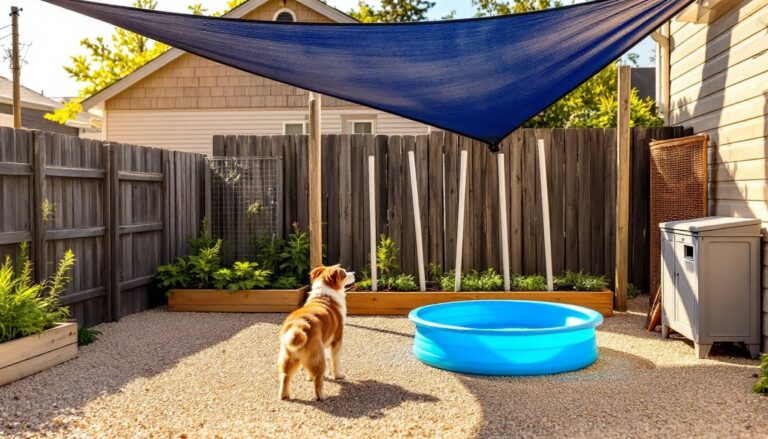
Shade structures extend usability. A simple pergola built from 4×4 posts and 2×6 rafters provides dappled shade and costs $200–$400 in materials for a 10×10-foot structure. No complex joinery required, galvanized carriage bolts and joist hangers handle connections. Install posts in concrete footings below frost line (check local frost depth: typically 12–36 inches depending on region). Attach shade cloth (available in varying densities, $0.50–$1.50 per square foot) to rafters for adjustable coverage.
Several design-focused resources showcase innovative zoning strategies that maximize small yards. Layering different ground covers, gravel pathways, mulched planting beds, paver patios, creates visual interest and defines spaces without fences or walls.
Conclusion
No-grass backyards eliminate maintenance headaches while opening creative possibilities. Gravel and mulch provide immediate coverage at minimal cost. Ground covers and pavers deliver long-term durability with low ongoing inputs. Define functional zones, patios, fire pits, raised beds, using materials salvaged, repurposed, or purchased in bulk. Start with one area, test materials and techniques, then expand as budget and time allow. The goal isn’t perfection: it’s a usable outdoor space that fits the homeowner’s lifestyle without demanding every weekend.