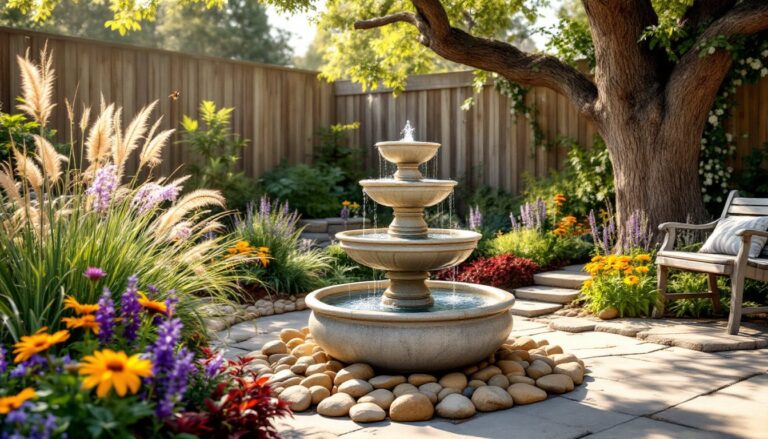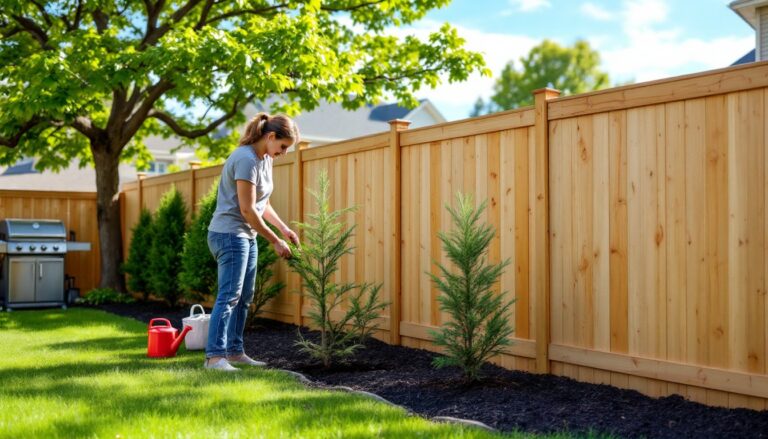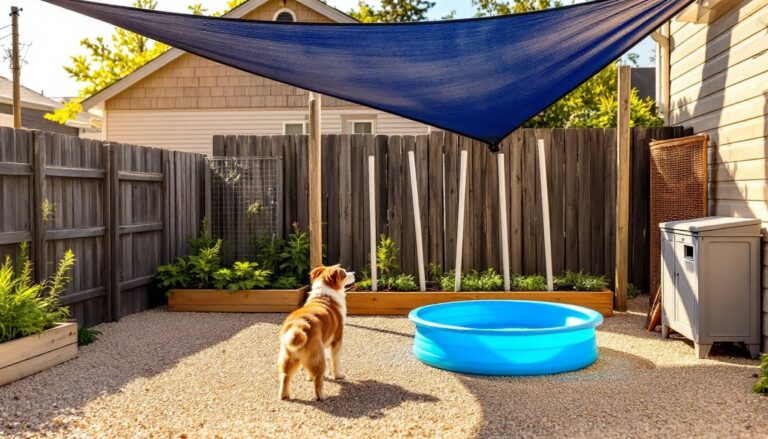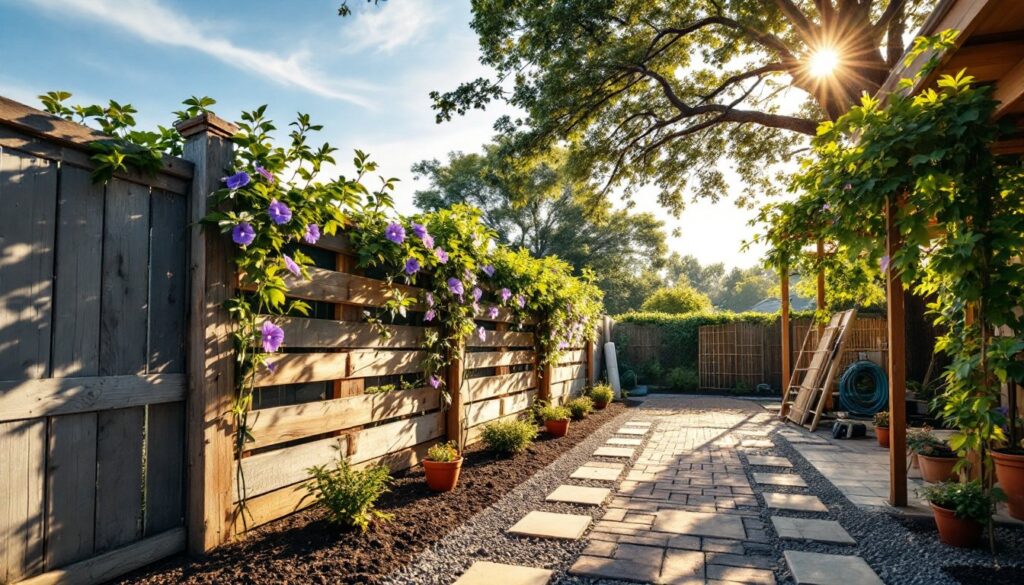

Neighbors peering over the fence, street traffic watching your every BBQ move, or just needing a quiet corner away from prying eyes, backyard privacy doesn’t have to cost thousands. Whether dealing with a narrow urban lot or a suburban backyard that feels too exposed, achievable solutions exist that won’t drain the savings account. This guide walks through 15 budget-conscious methods to screen off sight lines, muffle noise, and reclaim outdoor space using everything from strategic plantings to salvaged materials. Most of these projects require basic tools, a weekend or two, and a willingness to get creative with what’s already on hand or available cheaply.
Table of Contents
ToggleKey Takeaways
- Low budget backyard privacy can be achieved for $3–$10 per linear foot using salvaged materials, DIY solutions, and layered approaches instead of expensive professional fencing.
- Living privacy screens with fast-growing evergreens like arborvitae and bamboo cost $2–$50 per plant and create year-round coverage that improves over time.
- Livestock panels, corrugated metal, pallet fences, and reclaimed wood provide functional privacy barriers at a fraction of the cost of traditional wood fencing.
- Climbing vines on trellises and pergolas multiply privacy without consuming yard space, with perennial options like clematis reaching 10–15 feet in 12–18 months.
- Temporary screening materials such as shade cloth, bamboo roll fencing, and outdoor fabric offer instant privacy for under $2 per square foot while permanent plantings establish.
- Layering multiple privacy solutions—combining hedges, fences, and climbing plants at different heights—creates fuller coverage and makes spaces feel larger and more dynamic.
Why Backyard Privacy Matters (And How to Achieve It Without Breaking the Bank)
Privacy transforms a backyard from an afterthought into functional living space. Without it, homeowners skip morning coffee outside, avoid evening dinners on the patio, and leave play equipment unused because kids (and adults) feel exposed. Psychological studies confirm that perceived privacy increases outdoor space usage by over 60%, turning yards into genuine extensions of the home.
Cost is the biggest barrier. Professional privacy fencing runs $15–$40 per linear foot installed, meaning a typical 100-foot perimeter easily tops $2,500–$4,000. Add gates, posts set in concrete, and finish details, and budgets balloon fast. But privacy doesn’t require a contractor or premium materials.
The key is layering solutions. A single eight-foot privacy fence might expensive, but combining a four-foot chain-link base with climbing vines, strategic hedge plantings, and a DIY trellis section achieves similar coverage for a fraction of the cost. Think vertical, think green, and think scrappy, reclaimed materials, off-season nursery sales, and sweat equity all substitute for cash.
Before starting, walk the property line and identify the worst sight lines. Privacy doesn’t need to be 360 degrees. Blocking the neighbor’s second-story window or screening the street side might solve 80% of the problem, letting the budget stretch further where it counts.
Living Privacy Screens: Plants That Work Hard for Your Wallet
Plants deliver privacy that improves over time and costs pennies compared to hardscape. A one-gallon shrub runs $8–$20 at most nurseries, and many privacy-worthy species propagate easily from cuttings, meaning one purchase can become a dozen plants in a season.
Evergreens provide year-round screening. Arborvitae (Thuja) is the workhorse, narrow, fast-growing, and tolerant of most soil types. Varieties like ‘Green Giant’ add 3–5 feet per year once established and can be planted 3–4 feet apart for a solid hedge. Expect to pay $25–$50 per plant in a five-gallon container, but spacing them slightly wider and allowing two seasons to fill in cuts costs significantly.
Bamboo is controversial but effective. Clumping varieties (not running types that invade everything) like Bambusa multiplex grow quickly, tolerate poor soil, and create dense screens up to 15 feet tall. Plant in 24-inch plastic root barrier sleeves ($2–$3 per foot) to prevent spread. Bamboo divisions from a neighbor or local gardening group often cost nothing.
For deciduous options, privet and forsythia grow aggressively, tolerate heavy pruning, and root easily from cuttings. Take 6–8 inch cuttings in late spring, dip in rooting hormone ($5 per jar), and plant in a mix of sand and potting soil. Success rates above 70% mean a $15 plant becomes a 10-plant hedge by next season.
Fast-Growing Hedges and Shrubs
Leyland cypress tops out at 3–4 feet of growth per year and reaches 15–20 feet at maturity, making it ideal for tall privacy needs. Plant 6–8 feet apart in full sun with decent drainage. These tolerate clay soil better than arborvitae but suffer in consistently wet conditions.
Photinia (Red Tip) offers spring color with bright red new growth and matures to a dense, 10–12 foot screen. It’s drought-tolerant once established and available cheap in the South and West. Space 4–5 feet apart and expect privacy within two growing seasons.
Lilac works double-duty, fragrant spring blooms and a dense summer screen. Common lilac (Syringa vulgaris) suckers freely, which can be a nuisance in a lawn but a budget win for privacy. Dig and transplant suckers in early spring for free plants.
Timing matters. Buy bare-root stock in late winter or early spring for 40–60% savings compared to container plants. Bare-root plants establish just as well if planted before bud break and watered consistently the first season. Many state extension services and soil conservation districts sell native shrubs bare-root for $2–$5 per plant, check local programs before hitting the big-box store.
Water is the only significant ongoing cost. Drip irrigation on a timer ($30–$60 for a 50-foot kit) cuts water waste and ensures even growth. Most privacy hedges need 1 inch of water per week during establishment, then become low-maintenance.
Budget-Friendly DIY Fence and Wall Solutions
Fencing doesn’t have to mean a lumber yard receipt for $1,200. Salvaged materials, simple designs, and modular approaches bring costs down to $3–$10 per linear foot for a functional privacy barrier.
Livestock panels (also called cattle panels or hog panels) are galvanized wire grids, typically 16 feet long by 50 inches tall, costing $20–$35 each at farm supply stores. Mount them vertically between 4×4 treated posts spaced 8 feet apart, and weave bamboo slats, reed fencing, or fabric through the grid for instant privacy. Each 16-foot section costs roughly $60–$80 in materials, half the price of comparable wood privacy fencing.
Corrugated metal panels salvaged from old barns or purchased as overstock ($8–$15 per 8-foot panel) create industrial-modern privacy walls. Frame them with 2×4 treated lumber ($6–$9 per 8-foot stud) and mount to posts set 6–8 feet apart. Seal edges with rust-inhibiting primer to extend life. These reflect summer heat, so plant shade-tolerant groundcover at the base or angle panels to avoid hotspots.
Board-and-batten using #2 grade pine or rough-cut cedar offers a rustic look at lower cost. Alternate wide boards (1×8 or 1×10) with narrow battens (1×2) over a simple 2×4 frame. Leave 1/4-inch gaps between boards for airflow, solid fences catch wind and need beefier posts. Treat with a clear wood preservative ($25 per gallon, covers 200 square feet) rather than paint to skip ongoing maintenance.
Posts are the biggest expense and the most critical structural element. Pressure-treated 4×4 posts run $12–$18 for an 8-footer. Set them 24–30 inches deep in tamped gravel (not concrete, which rots wood faster) and space no more than 8 feet apart for a 6-foot tall fence. Gravel backfill costs $4–$6 per 50-pound bag: figure two bags per post.
Pallet Fences and Reclaimed Wood Projects
Free shipping pallets are everywhere, Craigslist, grocery stores, warehouses, and construction sites. Look for heat-treated (marked HT) pallets, not chemically treated (MB) ones. Pallet wood is rough, often weathered, and full of character.
Stand pallets upright and attach them to horizontal 2×4 rails between posts for an instant 4–5 foot privacy screen. Add a top cap of 2×6 or 2×8 ($8–$12 per 8-foot board) for a finished look and to shed water. Each 8-foot section requires 2–3 pallets and costs under $20 in fasteners and rails if pallets are free.
Disassemble pallets with a reciprocating saw or pry bar to harvest individual boards. Sort by width and use them as vertical pickets on a traditional frame. Pallet wood varies in thickness (3/4 inch to 1 inch), so plan for an uneven, organic look. Sand lightly and seal with exterior stain ($30 per gallon) or leave raw for a weathered gray patina.
Reclaimed barn wood and fence boards from tear-downs offer character and durability. Habitat for Humanity ReStores, salvage yards, and rural Craigslist ads yield solid wood for $0.50–$2.00 per board foot, far less than new cedar. Pull old nails with a cat’s paw, cut to length, and mount as you would new material. Much of this lumber is old-growth and outlasts anything available new.
Safety note: Always wear leather gloves and safety glasses when handling pallets or reclaimed wood. Nails, splinters, and hidden metal are common. A tetanus booster is smart if working with rusty fasteners.
Creative Vertical Solutions: Trellises, Pergolas, and Climbing Plants
Vertical structures multiply privacy without eating yard space. A 6-foot trellis topped with climbing vines creates an 8–10 foot privacy wall in 12–18 months and costs $30–$80 in materials depending on design.
Simple cattle panel trellises lean against a fence or stand independently between posts. Bend a 16-foot panel into an arch, anchor the ends in the ground or to posts, and plant clematis, honeysuckle, or climbing roses at the base. These panels cost $20–$35 each and support hundreds of pounds of mature vine growth. Clematis reaches 10–15 feet in a season and some varieties bloom repeatedly from May through September.
Wooden trellis panels built from 1×2 furring strips ($2–$3 per 8-foot length) in a square or diagonal lattice pattern attach to fence tops, pergola sides, or standalone frames. Space strips 4–6 inches apart for adequate vine support and air circulation. A 4×8 foot trellis panel uses roughly 20 linear feet of material and costs under $15.
Pergolas add vertical drama and support heavy vines like wisteria or grape. A basic 10×10 foot pergola built from 2×6 and 2×8 lumber costs $300–$600 in materials. Backyard makeover ideas often incorporate pergolas as focal points that provide both shade and privacy. Set 6×6 posts in gravel or use post anchors ($15–$25 each) bolted to a concrete patio for stability. Rafters spaced 16–24 inches apart give vines plenty of anchor points.
Annual vines deliver first-season coverage. Morning glory, hyacinth bean, and scarlet runner bean all grow 10–15 feet in a single summer from seed ($3–$5 per packet). Plant after last frost and provide a trellis or string support. These vines self-seed in mild climates, returning each spring without replanting.
Perennial climbers take longer to establish but return stronger each year. Trumpet vine (Campsis radicans) is nearly indestructible, grows in poor soil, and attracts hummingbirds. It’s aggressive, plant it where spread is welcome or constrained by hardscape. Virginia creeper offers brilliant fall color and climbs via adhesive tendrils without support wires.
Hops (Humulus lupulus) grows 15–20 feet per season, dies back in winter, and re-emerges each spring. It needs full sun and sturdy support (the vines get heavy), but a single plant covers a 10-foot trellis by midsummer. Bonus: Harvest the cones if brewing beer is a hobby.
For shaded yards, climbing hydrangea tolerates part shade and eventually reaches 30–40 feet, though it takes 2–3 years to establish. Pair it with a complete makeover approach that addresses lighting and understory plantings.
Wire or twine supports cost almost nothing. Run 14-gauge galvanized wire ($10 per 100-foot roll) vertically between screw eyes on posts or horizontally across a pergola. Natural jute twine works for annual vines but degrades within a season, fine for morning glories, not for perennials.
Fabric, Bamboo, and Other Affordable Screen Materials
Temporary or semi-permanent screens solve privacy problems fast and cost less than $2 per square foot installed.
Shade cloth is woven fabric rated by density (30%, 50%, 70%, or 90%). 70% shade cloth blocks most sight lines while allowing air and some light through, reducing wind load compared to solid panels. It costs $0.40–$1.00 per square foot in rolls and installs with zip ties or grommets to existing fences, pergolas, or wire frames. UV-resistant versions last 5–10 years. Combining beginner-friendly techniques with shade cloth creates instant privacy while permanent plantings establish.
Outdoor canvas drop cloths ($12–$20 for a 9×12 foot cloth) double as privacy curtains. Hem the edges, add grommets ($8 for a kit with 12 grommets and a punch tool), and hang from cables or curtain rods mounted under a pergola or porch roof. These can be removed in winter or for parties when openness is preferred.
Bamboo roll fencing comes in 6-foot tall by 8 or 16-foot long rolls for $25–$60. It zip-ties or staples to chain-link, wire, or wood fence frames. Expect 3–5 years of life before the binding wire rusts and requires replacement. Bamboo filters light beautifully and suits tropical or Asian-inspired landscapes. Practical tips for outdoor upgrades often recommend bamboo for transitional privacy while slower solutions mature.
Reed fencing (also called reed screening) is similar to bamboo but lighter and slightly cheaper, $20–$50 per roll. It’s less durable, typically lasting 2–4 years, but installs even faster. Both bamboo and reed expand and contract with humidity, so leave 1/4 inch of play when securing to frames.
Outdoor fabric panels designed for patios and pool areas resist mold and fading. Sunbrella and similar brands cost $15–$30 per yard (54 inches wide), but off-season sales and remnants at fabric stores drop prices to $5–$10 per yard. Sew panels together for custom-sized privacy curtains. Use stainless steel grommets and marine-grade thread for longevity.
Privacy netting used on construction sites and sports fields runs $0.30–$0.80 per square foot. It’s industrial-looking but functional, and comes in black, green, or tan to blend with surroundings. Stretch it across chain-link or between posts and secure with UV-resistant zip ties (buy in bulk, 100 ties for $8–$12). According to affordable outdoor privacy strategies, simple netting installations can transform exposed yards quickly.
Corrugated plastic panels (like those used for greenhouse glazing or roofing) cost $10–$20 per 8-foot panel and come in clear, translucent white, or tinted colors. They allow light while obscuring detail, making them ideal for areas where full shade isn’t wanted. Frame them with 1×2 trim to hide edges and prevent sharp corners.
Lattice panels sold at home centers run $15–$35 for a 4×8 sheet of vinyl or pressure-treated wood. They offer partial privacy and look finished without paint. Mount them to posts or attach as fence toppers. Plant climbers at the base for layered coverage within a season.
Installation hardware is simple: Galvanized or stainless steel zip ties ($8–$15 per 100), screw eyes and cable ($12–$20 for a 50-foot run), or fence staples ($4 per pound). Most of these materials require only a drill, wire cutters, and a tape measure. Even those new to basic outdoor transformations can complete installations in a weekend. For ongoing maintenance ideas and durability tips, resources like The Spruce offer detailed material comparisons.
Combine materials for effect: bamboo screening on the lower half, shade cloth on top: lattice along the sides, fabric curtains in a pergola roof. Layering breaks up sight lines at different heights and textures, making spaces feel larger and more dynamic.