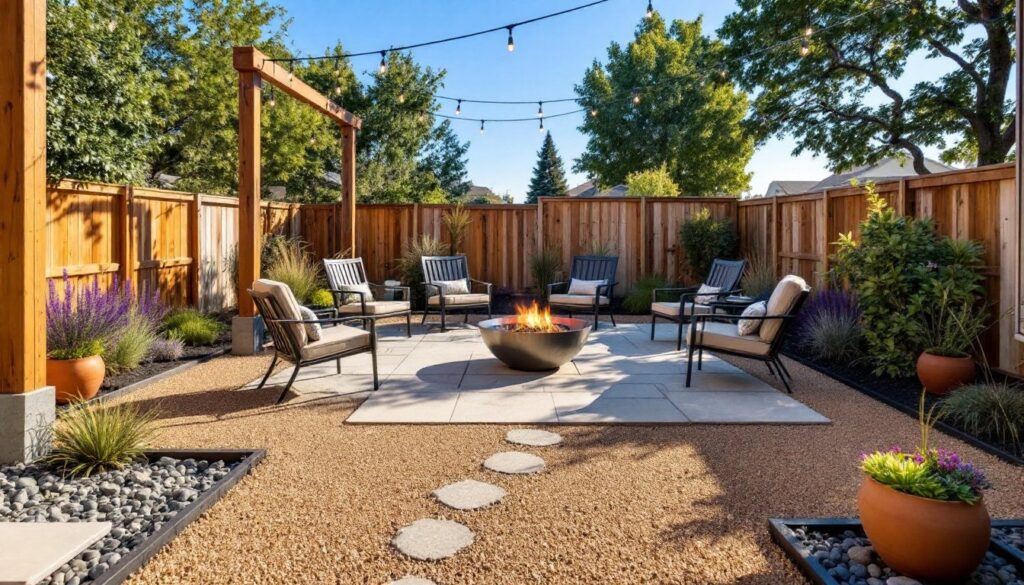

A gravel backyard might not sound glamorous, but it’s one of the most practical, low-cost transformations a homeowner can tackle. Unlike high-maintenance lawns or expensive hardscaping, gravel offers drainage, weed suppression, and a clean modern look with minimal upkeep. It’s particularly useful in drought-prone regions, sloped yards, or spaces where grass won’t grow. Whether someone’s creating a minimalist patio, a fire pit zone, or a full xeriscaped retreat, gravel adapts to nearly any design style. This guide covers 15 ideas, material selection, installation steps, and ongoing maintenance to help transform any yard into a functional outdoor space.
Table of Contents
ToggleKey Takeaways
- Gravel backyard ideas offer a practical, budget-friendly alternative to lawns and hardscaping, costing $30–$60 per cubic yard while requiring minimal maintenance and excellent drainage.
- Choose the right gravel type for your project—pea gravel for patios, crushed stone for pathways, and decomposed granite for modern landscapes—and combine base rock with a finished top layer for lasting results.
- Proper installation with landscape fabric, 4–6 inches of excavation, sturdy edging, and compacted base layers is critical for preventing weeds, erosion, and long-term settling in your gravel backyard.
- Annual maintenance like raking, top-dressing every 1–2 years, and weed control keeps gravel surfaces functional and visually appealing with minimal effort or cost.
- Gravel backyards adapt to any design style—modern, rustic, Mediterranean, or xeriscape—and work especially well in drought-prone regions, sloped yards, and areas where grass won’t thrive.
Why Choose Gravel for Your Backyard?
Gravel solves several common backyard problems at once. It handles drainage better than most surfaces, critical for areas prone to standing water or erosion. Unlike pavers or concrete, gravel allows rainwater to percolate into the soil, which can help meet local stormwater codes in some jurisdictions.
It’s also budget-friendly. Bulk gravel typically costs $30–$60 per cubic yard depending on type and region, compared to $10–$20 per square foot for pavers. Installation doesn’t require special skills or heavy equipment for most projects.
Maintenance is minimal. There’s no mowing, fertilizing, or irrigation. Weeds can appear but are easily controlled with landscape fabric and periodic top-dressing. Gravel also stays cool underfoot compared to concrete or dark pavers, making it comfortable in hot climates.
Finally, gravel works in nearly any landscape style, modern, rustic, Mediterranean, or xeriscape. It pairs well with native plantings, raised beds, and hardscape elements like steel edging or timber borders.
Popular Gravel Types and Their Best Uses
Not all gravel is created equal. Choosing the right type depends on the project’s function, foot traffic, and aesthetic.
Pea gravel is the most common choice for patios and play areas. It’s smooth, rounded, and typically 3/8 inch in diameter. It compacts moderately well but can shift underfoot, so it’s best used with edging. Available in tan, gray, or mixed earth tones.
Crushed stone (also called crushed rock or angular gravel) ranges from 1/4 inch to 3/4 inch. The jagged edges lock together, making it ideal for driveways, pathways, or any area needing stable footing. It compacts tightly and resists erosion. Common types include crushed granite, limestone, and basalt.
Decomposed granite (DG) is finely crushed granite that packs hard when wetted and tamped. It creates a smooth, almost paved surface and is popular in modern or desert landscapes. DG with stabilizers resists erosion better than plain DG.
River rock and Mexican beach pebbles are larger (1–3 inches) and primarily decorative. They’re heavy enough to stay put in garden beds or as accents around fire pits, but they don’t compact well for walking surfaces.
Crushed shells or lava rock offer regional or specialty options. Shells work well in coastal yards, while lava rock adds color and drainage in xeriscapes.
For most backyard makeover ideas, a combination of base rock (for stability) and a top layer of pea gravel or DG gives the best results.
Design Ideas for Gravel Backyards
Gravel Patio and Seating Areas
A gravel patio creates an informal, flexible outdoor room. Unlike poured concrete, it’s easy to adjust or expand later. Start by defining the space with steel landscape edging or timber borders, this keeps gravel contained and gives clean lines.
For furniture placement, use flagstone steppers or concrete pavers as stable platforms under chair and table legs. This prevents furniture from sinking into gravel and makes seating more comfortable.
Fire pits pair naturally with gravel. The non-combustible surface meets most fire safety setbacks (check local codes), and the open texture allows for easy drainage if a fire ring gets wet. Surround the pit with larger river rock or firebrick for added visual weight.
String lights, potted plants, and weatherproof rugs soften the look. Consider low-voltage LED lighting embedded in the gravel layer for nighttime use, just run conduit before laying the base.
Gravel Pathways and Walkways
Pathways are gravel’s bread and butter. A well-built path should be 3–4 feet wide for comfortable two-way traffic and excavated to 4–6 inches deep.
Layer construction matters. Start with landscape fabric to block weeds, then add 2–3 inches of compacted crushed stone as a base. Top with 1–2 inches of pea gravel or DG. The base layer stabilizes the path: the top layer provides the finished appearance.
Edging is non-negotiable. Without it, gravel migrates into planting beds or lawn areas. Metal edging installs quickly and stays invisible. Treated lumber (2×4 or 2×6) works for rustic designs. Brick or stone edging adds formality.
Curved paths look natural but require flexible edging or careful cutting. Straight paths are easier for beginners and suit modern landscapes. For slopes, install gravel steps using timbers or stone risers to prevent erosion.
Many backyard makeover examples feature gravel paths connecting patios, sheds, or garden zones, they’re functional and visually tie spaces together.
How to Install a Gravel Backyard (DIY Steps)
Installing a gravel backyard is within reach for most DIYers, but the prep work determines long-term success. Skipping base layers or fabric leads to weeds, settling, and erosion.
Materials needed:
- Landscape fabric (commercial-grade, not thin plastic sheeting)
- Crushed stone base (3/4 inch minus)
- Finish gravel (pea gravel, DG, or crushed stone)
- Edging material (steel, timber, or stone)
- Landscape stakes and screws (for edging)
Tools needed:
- Flat shovel and square spade
- Wheelbarrow
- Hand tamper or plate compactor (rent one for areas over 200 sq ft)
- Level and measuring tape
- Work gloves and safety glasses
Step-by-step installation:
-
Mark the area. Use stakes and string or spray paint to outline the space. Measure twice, gravel is harder to remove than to add.
-
Excavate. Remove sod, roots, and debris to a depth of 4–6 inches. For patios or high-traffic areas, go deeper (6–8 inches). Slope the base 1–2% away from structures for drainage.
-
Install edging. Set edging along the perimeter before adding materials. Secure with stakes every 3–4 feet. The top of the edging should sit slightly above the final gravel surface to contain it.
-
Lay landscape fabric. Overlap seams by 6–12 inches and secure with landscape staples. This is critical for weed control.
-
Add and compact the base layer. Spread 2–3 inches of crushed stone evenly. Tamp thoroughly with a plate compactor. A hand tamper works for small areas but requires more effort. The base should feel solid underfoot.
-
Add the finish layer. Spread 1–2 inches of pea gravel or DG. Rake smooth and lightly compact. For DG, mist with water and tamp again for a firmer surface.
-
Water and settle. Lightly water the entire area to help gravel settle and reveal low spots. Add more material as needed.
For large projects (500+ square feet), rent a skid steer or hire a landscape supply company to deliver and spread base material. It’ll save hours of wheelbarrow runs.
Most backyard makeovers for beginners start with a small gravel patio or path to build confidence before tackling larger areas.
Maintenance Tips to Keep Your Gravel Backyard Beautiful
Gravel is low-maintenance, but not no-maintenance. A few seasonal tasks keep it looking sharp and functional.
Weed control is the main concern. Even with fabric, wind-blown seeds can sprout in the top layer. Pull weeds when they’re small, or use a propane torch weed burner for quick removal. Pre-emergent herbicides (like those recommended by The Spruce) can be applied in early spring, but avoid them near edible gardens.
Rake and top-dress annually. Gravel settles and thins over time, especially in high-traffic zones. Rake to redistribute material and add a fresh 1/2-inch layer every 1–2 years. This also refreshes the color, which can fade under UV exposure.
Edge maintenance keeps gravel contained. Check edging for shifting or rust (on steel) and re-stake as needed. Trim grass or groundcovers along borders to prevent encroachment.
Manage compaction. In walkways, gravel compacts and can develop hard spots or ruts. Loosen with a garden rake and add material to level. For DG surfaces, mist and re-tamp to restore the smooth finish.
Remove debris. Leaves, twigs, and pet waste should be raked or blown out regularly. A leaf blower works well but can displace lightweight gravel, use a lower setting or a spring-tine rake.
Address drainage issues. If puddles form, the base may have settled unevenly. Excavate the problem area, add more crushed stone, compact, and replace the top layer.
For homeowners following backyard makeover tips, adding permanent edging and using quality landscape fabric at installation cuts long-term maintenance significantly. According to Better Homes & Gardens, proper base preparation can extend gravel lifespan by 5–10 years compared to quick installs.
Gravel backyards reward smart installation and light upkeep with years of clean, functional outdoor space. Whether creating a full backyard transformation or a simple path, the results are durable, affordable, and adaptable to nearly any landscape style. Designers at Gardenista continue to showcase gravel as a modern material that works in both minimalist and planted landscapes.