
Mosquitoes turn perfectly good patios into no-go zones. One minute you’re grilling burgers, the next you’re swatting, scratching, and retreating indoors. The average backyard offers dozens of breeding sites, gutters, birdbaths, even a bottle cap holding rainwater. But controlling mosquitoes doesn’t require a monthly service contract or industrial foggers. With a combination of habitat modification, strategic planting, DIY treatments, and targeted products, homeowners can reclaim their outdoor space. This guide walks through proven methods to reduce mosquito populations, from eliminating standing water to installing physical barriers and selecting effective repellent systems.
Table of Contents
ToggleKey Takeaways
- Eliminating standing water is the single most effective mosquito control backyard strategy, as mosquitoes can complete their lifecycle in as little as seven days in stagnant water.
- Mosquito control requires a layered approach combining habitat modification, repellent plants, physical barriers like screens and fans, and targeted treatments rather than relying on any single method.
- Strategic landscaping—including regular mowing under 3 inches, trimming shrubs, and improving drainage—reduces mosquito resting and breeding sites around your property.
- Physical barriers such as outdoor fans (creating airflow above 1-2 mph) and screen enclosures provide reliable protection, while professional-grade perimeter sprays or misting systems offer 3-4 weeks of residual control for long-term results.
- Repellent plants like citronella grass, lemon balm, and lavender add passive repellency but should be used as part of an integrated pest management strategy, not as a standalone solution.
Understanding Why Mosquitoes Love Your Backyard
Female mosquitoes need protein from blood to develop eggs, and they can detect carbon dioxide, body heat, and lactic acid from up to 100 feet away. But before they bite, they need water to breed, even a teaspoon is enough for some species.
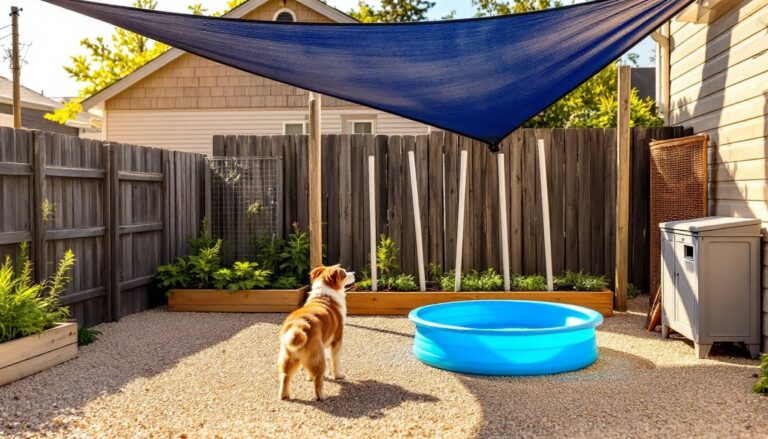
Your yard likely offers ideal conditions: shaded areas that stay damp, standing water that persists for more than a week, and tall grass or overgrown vegetation for daytime resting spots. Aedes mosquitoes (the black-and-white striped ones) prefer containers close to homes, flowerpots, toys, tarps. Culex mosquitoes favor stagnant pools, storm drains, and ditches.
Temperature and humidity matter. Mosquitoes thrive in temperatures between 50°F and 95°F. Rain creates new breeding sites overnight, and humid conditions extend their lifespan. Understanding these preferences helps you target control efforts where they’ll have the most impact, rather than spraying blindly and hoping for results.
Eliminate Standing Water and Breeding Grounds
This is the single most effective step. Mosquitoes complete their lifecycle, egg to adult, in as little as seven days in standing water. Walk your property weekly and dump, drain, or treat anything that holds water.
Check these common culprits:
- Gutters: Clean out leaves and debris twice a year minimum. Sagging sections that don’t drain are prime larval habitat.
- Tarps and covers: Any fold or depression collects rain. Stretch tight or remove when not in use.
- Toys, buckets, wheelbarrows: Flip them over or store in a shed.
- Birdbaths and pet bowls: Refresh water every 2-3 days, before larvae mature.
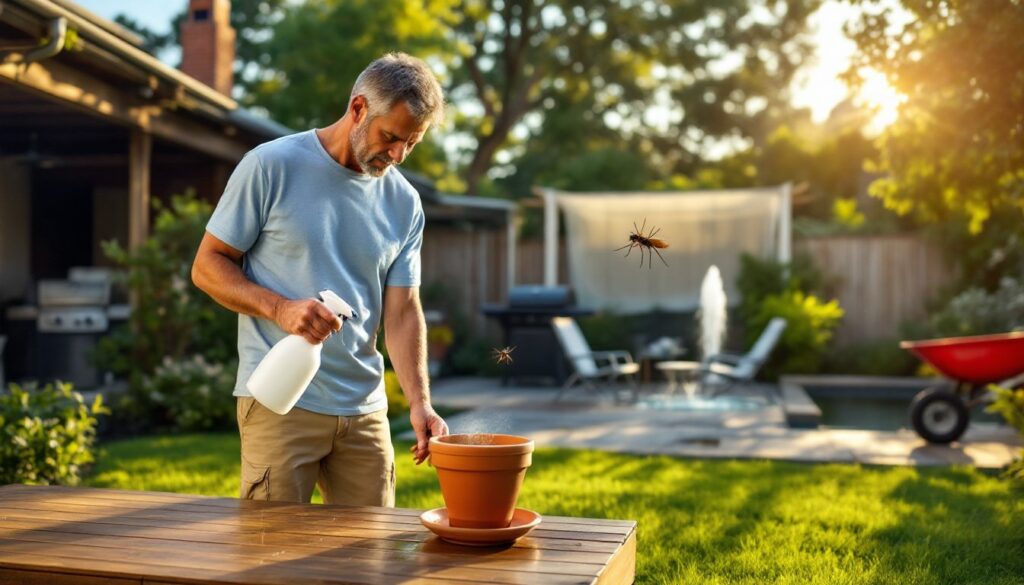
- Saucers under potted plants: Empty after watering or fill with sand to wick moisture without pooling.
- Old tires: Drill drainage holes in tire swings. Dispose of stockpiled tires properly.
- Downspout extensions: Make sure they direct water at least 6 feet from the foundation and don’t create puddles.
For water features you can’t drain, decorative ponds, rain barrels, use Bti dunks (Bacillus thuringiensis israelensis). These biological larvicides kill mosquito larvae but are safe for fish, birds, and pets. One dunk treats up to 100 square feet of surface water for 30 days. Installing a small fountain or aerator also disrupts breeding: mosquitoes won’t lay eggs in moving water.
Natural Mosquito Repellent Plants and Landscaping Strategies
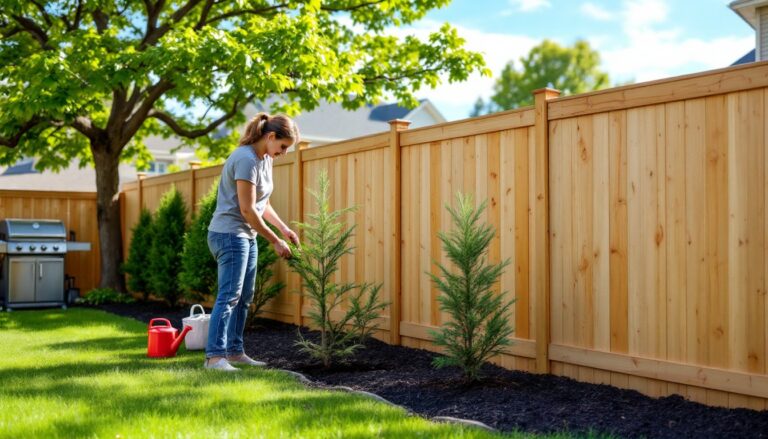
Plants alone won’t eliminate mosquitoes, but strategic landscaping reduces harborage and adds a layer of passive repellency. Mosquitoes rest in tall grass, dense shrubs, and shaded undergrowth during the heat of the day.
Landscaping tactics:
- Mow regularly: Keep grass under 3 inches. Taller turf holds moisture and provides cover.
- Trim shrubs and ground covers: Increase airflow at ground level. Prune back overgrown foundation plantings and clear leaf litter.
- Create a gravel or mulch border: A 2-3 foot stone or hardwood mulch perimeter around patios and decks reduces damp zones where mosquitoes rest.
- Improve drainage: Grade soil away from the house and fill low spots that puddle after rain.
Repellent plants contain volatile oils that mosquitoes dislike, but you need to crush leaves or burn them to release meaningful concentrations. Planting them in pots near seating areas offers modest benefit:
- Citronella grass (Cymbopogon nardus): The source of citronella oil. Grows 4-6 feet tall in full sun, hardy in zones 10-12.
- Lemon balm (Melissa officinalis): Contains citronellal. Spreads aggressively: plant in containers.
- Lavender (Lavandula): Repels many insects. Prefers well-drained soil and full sun.
- Marigolds (Tagetes): Pyrethrum compounds deter mosquitoes and other pests. Annual in most climates.
- Rosemary (Rosmarinus officinalis): Woody perennial. Toss sprigs on the grill for aromatic smoke.
- Catnip (Nepeta cataria): Studies show nepetalactone is 10 times more effective than DEET in lab settings, though field results vary.
Don’t expect these to create a mosquito-free zone. Think of them as part of a layered defense, not a standalone solution.
DIY Mosquito Control Solutions That Actually Work
Homemade Sprays and Traps
Homemade repellent sprays won’t match commercial formulas, but they offer a chemical-light option for short-term relief. Mix 1 cup witch hazel, 1 cup water, and 30-40 drops of essential oils (citronella, eucalyptus, lavender, or peppermint) in a spray bottle. Shake before each use and reapply every 1-2 hours. It’ll reduce bites in your immediate area but won’t kill mosquitoes or provide residual protection.
DIY traps can monitor or reduce local populations:
- Bucket trap: Fill a 5-gallon bucket halfway with water, add a small amount of dish soap to break surface tension, and drop in a Bti dunk. Mosquitoes lay eggs: larvae die. Place in shaded areas away from seating.
- CO₂ bottle trap: Combine 1 cup warm water, 1/4 cup brown sugar, and 1 gram active dry yeast in a 2-liter bottle. Cut the top third off, invert it into the base (funnel-side down), and tape seams. Yeast produces carbon dioxide: mosquitoes enter and get trapped. Replace weekly. Effectiveness is limited, good for monitoring, not elimination.
Installing Fans and Physical Barriers
Mosquitoes are weak fliers. A steady breeze above 1-2 mph makes it hard for them to land. Outdoor ceiling fans or oscillating pedestal fans create a protective zone on decks and patios. Position fans low, mosquitoes typically fly below 25 feet, and angle airflow across seating areas. A 20-inch box fan on medium speed covers roughly 100 square feet.
Screen enclosures offer the most reliable protection. Adding 18×14 mesh fiberglass screening to a gazebo, porch, or pergola keeps mosquitoes out entirely. Aluminum frame kits (available at home centers) make installation straightforward for basic structures. Check for gaps around doors and repair torn screens immediately: mosquitoes will find a 1/4-inch opening.
For ground-level protection, mosquito netting curtains hung from pergola beams or umbrella frames provide a physical barrier you can tie back when not needed. Look for polyester mesh treated with permethrin for added repellency.
Professional-Grade Products and Systems for Long-Term Control
When DIY methods aren’t enough, step up to products designed for sustained knockdown and residual control.
Perimeter sprays containing bifenthrin or lambda-cyhalothrin (synthetic pyrethroids) kill mosquitoes on contact and provide 3-4 weeks of residual protection. Apply to shrubs, under decks, around foundations, and other resting sites using a pump sprayer or hose-end applicator. Wear gloves, goggles, and a respirator during application. Keep pets and kids off treated areas until dry (typically 2-4 hours). Many professional-grade treatments follow this approach for monthly or bimonthly service.
Misting systems automate treatment. These consist of nylon tubing, spray nozzles, and a reservoir of pyrethrin or synthetic pyrethroid mounted around the yard perimeter. A timer triggers 30-45 second mists at dawn and dusk when mosquitoes are most active. Professional installation runs $2,000-$3,500 for an average yard, with refills costing $15-$30/month. DIY kits are available but require careful nozzle placement and pressure calibration.
In-ground mosquito control systems (like Mosquito Magnet or similar CO₂ traps) use propane or octenol as attractants, drawing mosquitoes into a net or vacuum. They can capture thousands of mosquitoes over a season but work best as part of a broader strategy. Cost ranges from $300-$900 per unit, plus propane and attractant refills. Place units 30-40 feet from seating areas to intercept mosquitoes before they reach you.
Fogging with a thermal or ULV (ultra-low volume) fogger delivers fast knockdown for events but offers no residual control. Use permethrin-based fog solutions in a backpack or handheld fogger, treating at dusk when mosquitoes are active. Fog dissipates within hours: you’ll need to retreat before the next gathering.
Considerations:
- PPE is non-negotiable: gloves, safety glasses, long sleeves, and a respirator rated for pesticides.
- Read labels carefully: application rates, re-entry intervals, and environmental precautions vary by product.
- Avoid treating open water or areas where runoff enters storm drains unless the product is specifically labeled for aquatic use.
- Integrated Pest Management (IPM) combines habitat modification, biological controls, and targeted chemical treatments for the best long-term results.
If you’re dealing with persistent high populations near wetlands, heavily wooded lots, or areas with poor drainage, a licensed pest control professional can assess the situation and apply commercial-grade adulticides or growth regulators that aren’t available to homeowners. This isn’t an admission of defeat, it’s recognizing when the scope exceeds typical DIY capacity.