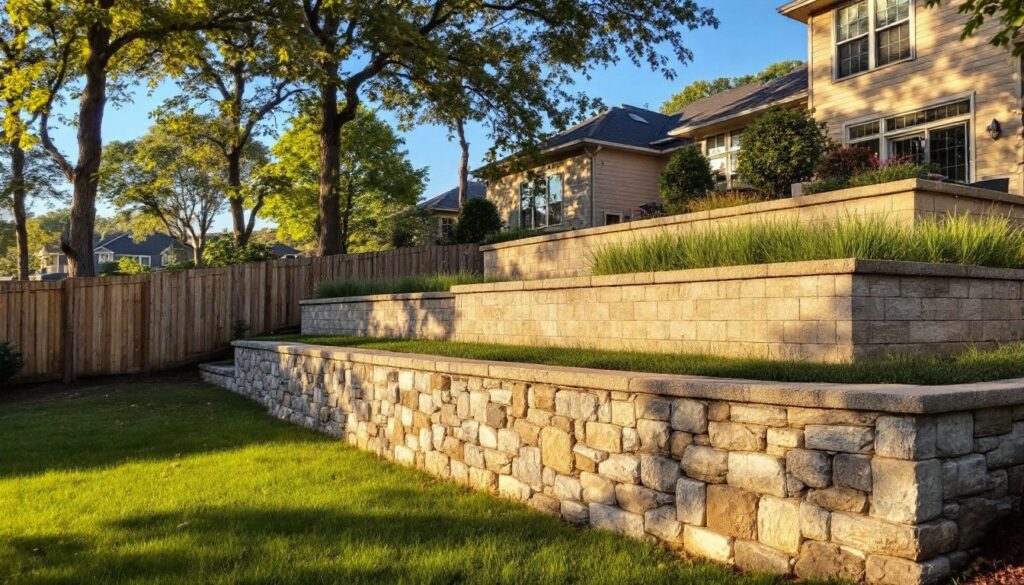

A sloped backyard presents challenges, erosion, uneven terrain, wasted space, but it also offers an opportunity to create functional outdoor living areas. Retaining walls solve drainage problems while carving out usable zones for patios, gardens, or play areas. The good news? Homeowners don’t need a contractor’s budget or engineering degree to tackle basic retaining wall projects. With the right materials and a clear plan, a DIY retaining wall can transform a sloped yard into terraced, stable ground that’s both practical and attractive.
Table of Contents
ToggleKey Takeaways
- Simple retaining wall ideas like timber, stone, and concrete blocks can solve erosion, manage water runoff, and create usable outdoor spaces on sloped backyards without requiring contractor expertise.
- Timber retaining walls using pressure-treated 6×6 or 8×8 landscape timbers are the most affordable and beginner-friendly option for DIY projects up to 3 feet tall, costing roughly $15–$25 per timber.
- Proper drainage with perforated drain pipe and gravel backfill is critical for preventing hydrostatic pressure buildup and wall failure, making it the most important non-negotiable detail in any retaining wall project.
- Walls exceeding 4 feet tall typically require municipal permits, engineered drawings, and inspections, so always check local building codes before starting your project.
- Stacked stone, interlocking concrete blocks, and recycled materials like gabions each offer unique aesthetic and functional benefits, allowing homeowners to choose retaining wall designs that match their budget and landscape goals.
Why Retaining Walls Are Essential for Sloped Yards
Retaining walls do more than hold back soil, they prevent erosion, manage water runoff, and create level areas where grass won’t grow on a steep incline. Without proper terracing, rainwater accelerates down slopes, washing away topsoil and destabilizing plant roots.
Structural benefits include load distribution and soil compaction control. A wall redirects lateral pressure from soil and moisture, preventing landslides or shifting ground. For yards with more than a 3:1 slope ratio (three feet horizontal for every foot of elevation change), retaining walls become necessary rather than optional.
Functional advantages multiply when walls create flat zones. Homeowners gain space for outdoor entertaining areas or raised garden beds that would otherwise be impossible on a grade. These landscaping transformations often increase property value by expanding usable square footage.
Most municipalities require permits for retaining walls over 4 feet tall or those supporting significant loads. Walls exceeding this height often need engineered drawings and footer inspections. Even shorter walls benefit from proper drainage, install perforated drain pipe behind the wall, backfilled with gravel, to prevent hydrostatic pressure buildup that can cause failure.
Timber Retaining Walls: Affordable and Easy to Install
Pressure-treated 6×6 or 8×8 landscape timbers remain a top choice for DIY retaining walls up to 3 feet tall. They’re affordable (roughly $15–$25 per timber), easy to cut with a chainsaw or circular saw, and forgiving for first-time builders.
Materials needed:
- Pressure-treated timbers (6×6 or 8×8, length based on wall run)
- ½-inch rebar (36-inch lengths)
- Landscape fabric
- Crushed gravel (¾-inch)
- Galvanized lag screws or timber spikes
Installation steps:
- Excavate the base trench 6–8 inches deep, extending 6 inches beyond the wall footprint. Level the trench and compact soil with a hand tamper.
- Lay the first course on 4 inches of compacted gravel. Check level front-to-back and end-to-end. This base course determines the entire wall’s stability.
- Drill holes and drive rebar through each timber into the ground every 4 feet. Rebar should penetrate at least 18 inches into undisturbed soil.
- Stack subsequent courses with staggered joints (like brickwork). Drill pilot holes and secure each course with 12-inch lag screws or spikes every 2–3 feet.
- Backfill with gravel behind the wall as you build. Place landscape fabric between native soil and gravel to prevent clogging.
- Step back each course ½ to 1 inch to create a slight backward lean (batter), which improves stability against soil pressure.
Lifespan considerations: Pressure-treated wood resists rot for 15–25 years depending on soil contact and moisture. Avoid railroad ties treated with creosote for residential use, they leach chemicals and aren’t approved for landscape contact in many areas.
Stacked Stone Walls for a Natural Look
Dry-stacked stone walls offer a timeless aesthetic and can last generations when properly built. This method uses no mortar, relying instead on gravity, friction, and strategic stone placement. It’s labor-intensive but achievable for walls under 3 feet.
Stone selection: Choose flat fieldstone, limestone, or granite with at least one flat face. Avoid round river rock, it won’t stack stably. Stones should range from softball-size to pieces weighing 40–50 pounds. Expect to need roughly 1 ton of stone per 25 square feet of wall face.
Construction technique:
- Dig a trench below the frost line (varies by region: check local codes). In cold climates, this may be 24–36 inches deep. Fill with 6 inches of compacted gravel.
- Select large, flat base stones (capstones work well here). The bottom course should be partially buried and span the full wall width (typically 18–24 inches for a 3-foot wall).
- Tilt stones slightly backward into the slope. This “batter” (usually 1 inch per foot of height) counteracts soil pressure.
- Overlap joints in each course like bricks. Never stack joints vertically, this creates failure planes.
- Use shims and filler stones to eliminate voids and lock larger stones in place. Pack soil or stone dust into gaps.
- Install drainage by leaving small gaps (weep holes) every 6–8 feet at the base course. Backfill with gravel as described in timber wall construction.
Skill level: This is an intermediate project. Proper design principles matter, walls need width (at least one-third the height), batter, and quality drainage. Plan for several weekends of heavy lifting and fitting work.
Concrete Block Retaining Walls: Durable and Versatile
Interlocking concrete blocks (like Allan Block, Belgard, or Versa-Lok) simplify retaining wall construction with built-in setback and locking flanges. These systems handle walls up to 4–6 feet (depending on the manufacturer’s rating) and come in various textures and colors.
Why concrete blocks work: Each unit weighs 40–80 pounds and features a hollow core that can be filled with gravel or rebar-reinforced concrete for added strength. The interlocking design eliminates the need for mortar and guides proper setback automatically.
Materials list:
- Concrete retaining wall blocks (calculate based on wall area: most blocks cover 0.6–0.8 sq. ft. per unit)
- Base gravel (⅜-inch crushed stone)
- Backfill gravel (¾-inch)
- Landscape fabric
- Cap blocks (flat-topped units for the top course)
- Construction adhesive (for cap attachment)
Installation process:
- Excavate and level the base trench. It should extend 6 inches beyond the wall face and be deep enough for 4–6 inches of gravel plus one block buried below grade.
- Compact the gravel base thoroughly with a plate compactor (rent one for $50–$80/day). Use a 4-foot level to verify the base is level side-to-side and follows the slope for front-to-back drainage.
- Lay the first course directly on gravel. Align blocks tightly and check level frequently. This row determines the entire wall’s appearance.
- Stack subsequent courses, engaging the interlocking lip. Most systems automatically create a ⅛-inch setback per course. Offset vertical joints by at least 6 inches.
- Backfill with gravel in 6-inch lifts as you build. Compact each lift before adding the next course. Place landscape fabric against native soil.
- Secure cap blocks with construction adhesive on the final course for a finished look.
When to add reinforcement: Walls over 3 feet or those on steep slopes benefit from geogrid reinforcement, fabric strips that extend into the backfill and anchor every 2–3 courses. Manufacturers provide engineering specs: don’t skip this if your wall exceeds their non-reinforced height limits.
Budget-Friendly Alternatives: Railroad Ties and Recycled Materials
Railroad ties cost $20–$40 each and create rustic walls quickly, but they come with caveats. Modern new ties (8 ft. × 7 in. × 9 in.) treated with copper naphthenate are safer than old creosote-soaked versions, which leach toxins. Never use vintage railroad ties near vegetable gardens or play areas.
Installation mirrors timber walls: bury the first course, secure with rebar, and stagger joints. Pre-drill holes with a ⅝-inch spade bit to avoid splitting. Their weight (150–200 lbs. each) provides stability but requires two people for safe handling.
Recycled concrete (urbanite) offers a free or low-cost option. Broken sidewalk slabs, old foundation chunks, or demolished patio pieces stack like irregular stone. Sort pieces by thickness and use the flattest, largest chunks for the base course. Expect significant labor, fitting irregular shapes takes patience, and you’ll need a comprehensive planning approach to make it look intentional rather than haphazard.
Gabion walls use wire mesh cages filled with rock, broken concrete, or even recycled glass. They drain naturally and handle differential settling well. Gabion baskets cost $50–$150 each (depending on size) and stack without tools. Fill them with inexpensive ¾-inch river rock or quarry waste. They’re popular for modern, industrial aesthetics and current design trends.
Safety note: Wear leather gloves, steel-toed boots, and safety glasses when handling any recycled materials. Old concrete may have rebar protruding: railroad ties splinter unpredictably when cut.
Key Considerations Before Building Your Retaining Wall
Permits and codes: Walls over 4 feet almost always require permits and engineered plans. Many jurisdictions also regulate walls near property lines (typically must be setback 2–3 feet) or those within easements. Call the local building department before ordering materials. Inspections usually occur after footing prep and before backfilling.
Drainage is non-negotiable. Retaining walls fail when water saturates the backfill and creates hydrostatic pressure. Install 4-inch perforated drain pipe (wrapped in filter fabric) at the base, sloped to daylight or a drainage outlet. Backfill with ¾-inch gravel for at least 12 inches behind the wall. This detail appears in every professional hardscaping resource for good reason, skip it and expect failure within a few seasons.
Soil type matters. Clay soil expands when wet and exerts massive lateral pressure. Sandy or loamy soil drains better and places less stress on walls. If dealing with clay, increase gravel backfill depth to 18 inches and consider geogrid reinforcement even on shorter walls.
Tool requirements:
- Essential: Level (4-foot), tape measure, square-point shovel, hand tamper or plate compactor, wheelbarrow, safety glasses, work gloves
- For timber: Circular saw or chainsaw, drill with ½-inch bit, sledgehammer
- For stone: Mason’s hammer, stone chisel, pry bar, hand truck
- For block: Rubber mallet, masonry saw (rent if cutting blocks), plate compactor
Know your limits. Walls supporting driveways, structures, or slopes steeper than 2:1 require professional engineering. Foundation issues, underground utilities (always call 811 before digging), and poor soil conditions also warrant expert consultation. Applying proven makeover strategies helps, but structural work isn’t the place to learn by trial and error.
Conclusion
Retaining walls turn sloped yards into functional, stable outdoor spaces, and many designs are well within DIY reach. Timber, stone, and concrete block systems each offer distinct advantages depending on budget, aesthetic goals, and skill level. Prioritize proper drainage, follow local codes, and don’t cut corners on the base preparation. With careful planning and weekend effort, a homeowner can build a retaining wall that solves erosion problems and adds structure to the landscape for decades.