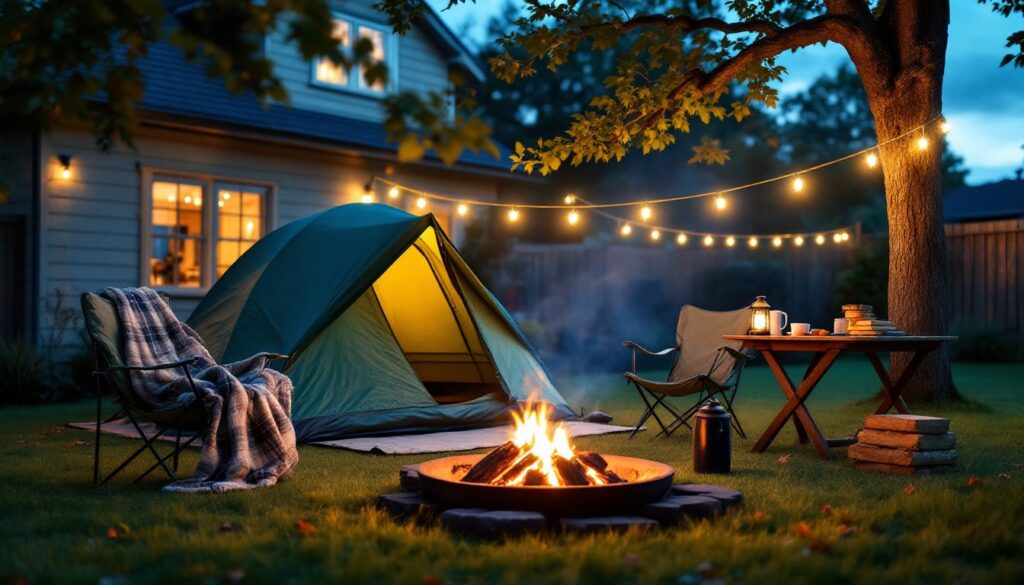

Backyard camping offers all the nostalgia of a wilderness trip without the hassle of packing a car or driving hours to a campsite. It’s a low-commitment way to introduce kids to outdoor sleeping, test new gear before a big trip, or simply break the monotony of a standard weekend. The controlled environment lets families enjoy campfire cooking, stargazing, and storytelling without worrying about bears, permits, or sketchy campground restrooms. With a little planning, a backyard can deliver a memorable camping experience that rivals any state park, and you’re never more than fifty feet from a working toilet.
Key Takeaways
- Backyard camping ideas eliminate logistical stress by offering a safe, cost-effective alternative to traditional camping with quick access to home comforts if needed.
- Proper site selection, ground preparation, and quality sleeping pads are essential to maximize comfort and prevent condensation or moisture issues in your backyard campsite.
- Creative shelter options beyond standard tents—including canvas wall tents, hammocks, and teepees—allow you to customize your backyard camping experience based on available space and preferences.
- Structured activities like scavenger hunts, stargazing with apps like SkySafari, and campfire storytelling keep families engaged throughout the backyard camping adventure.
- Safe campfire cooking on properly prepared coals using cast-iron cookware or foil packets delivers memorable meals while maintaining a 10-foot fire safety perimeter free of flammable materials.
- Essential safety measures including insect repellent, tick checks, weather monitoring, and proper food storage ensure your backyard camping trip remains enjoyable and risk-free.
Why Backyard Camping Is the Perfect Weekend Escape
Backyard camping eliminates the logistical headaches that make traditional camping stressful. There’s no need to reserve campsites months in advance, haul coolers filled with ice, or dig catholes in the woods. Parents can gauge their kids’ readiness for overnight outdoor sleeping without committing to a full wilderness experience. If someone forgets a sleeping pad or the temperature drops unexpectedly, the house is right there.
It’s also a proving ground for gear. Testing a new tent’s setup process, checking if sleeping bags provide adequate warmth, or debugging a camp stove is far easier in a backyard than at a remote trailhead. Many backyard makeover projects start with simple functional improvements that make outdoor living more practical.
Cost is another major advantage. A single night of car camping at a state or national park can run $25–$50 for the site alone, not counting fuel, food waste from lack of refrigeration, or forgotten supplies that require a store run. Backyard camping uses electricity and water already paid for, and restocking a forgotten item means a quick trip to the pantry.
For families with young children, the backyard offers a safety net. A toddler who decides at 11 p.m. that sleeping outside is terrifying can retreat indoors without dismantling an entire camp. Parents can enjoy a glass of wine without worrying about wildlife or managing a campground’s quiet hours. It’s camping with a reset button.
Setting Up Your Backyard Campsite for Maximum Comfort
Site selection matters even in a backyard. Avoid low spots where water pools after rain, and steer clear of areas directly beneath trees with heavy branches or active squirrel populations. A level patch of grass or compacted dirt works best for tent placement. If the yard has a slope, position the tent so sleepers’ heads are uphill, sleeping on an incline with feet elevated is a recipe for a miserable night.
Ground prep is often overlooked. Mow the grass shorter than usual, and rake away sticks, acorns, or other debris that will press through a tent floor. A tarp or footprint beneath the tent adds a moisture barrier and protects the tent floor from abrasion. Even if rain isn’t forecasted, morning dew can soak through tent floors that lack waterproofing.
Stake the tent properly. Many people skip staking in a backyard, assuming wind won’t be an issue, but an unstaked tent sags and collects condensation. Use all guylines and tension them evenly. If the ground is hard-packed clay, a rubber mallet helps drive stakes without bending them.
Comfort upgrades make a difference. Sleeping pads with an R-value of 2.0 or higher prevent heat loss to the ground, even in summer. Inflatable pads pack smaller but require a pump (manual or battery-powered). Closed-cell foam pads are indestructible and need no inflation but offer less cushioning. For families, consider a full-size air mattress designed for camping, models with built-in pumps and reinforced bottoms handle outdoor use better than cheap indoor versions.
Creative Shelter Options Beyond the Standard Tent
A traditional dome tent works fine, but a backyard offers space to experiment. Canvas wall tents provide standing room and a more rustic aesthetic, though they’re heavier and require more robust stakes and poles. Many models accommodate a small wood stove for chilly nights, though that introduces ventilation and fire safety concerns.
Hammock camping works if the yard has trees spaced 12–15 feet apart with trunks at least eight inches in diameter. Use tree straps (1-inch tubular webbing works well) rather than rope to avoid bark damage. A bug net and underquilt or sleeping pad are essential, hammocks compress insulation beneath the sleeper, creating cold spots. Some homeowners install permanent posts for hammocks if trees aren’t available.
Teepees or canvas pyramids offer a different vibe and work well for kids. These shelters require a center pole and a larger footprint but create a communal space that feels less confined than a tent. DIY versions can be built with 6–8 wooden poles (eight feet long, 1.5-inch diameter) and a canvas or heavy-duty tarp cut and sewn into a cone shape.
For a low-effort option, some families simply set up cots under a pop-up canopy or gazebo. This isn’t true camping, but it provides shade, some weather protection, and the experience of sleeping outdoors. Add mosquito netting around the perimeter if bugs are an issue.
Fun Activities to Make Your Backyard Camping Memorable
Structured activities keep kids engaged after the initial novelty of sleeping outside wears off. A scavenger hunt tailored to the backyard works well, list items like a smooth rock, a Y-shaped stick, or a specific leaf type. For older kids, add a navigation element using a simple compass and written directions.
Stargazing requires minimal equipment. Download a free app like SkySafari or Star Walk to identify constellations, planets, and satellites. A red-filtered flashlight (red cellophane over a standard flashlight works) preserves night vision better than white light. If light pollution is heavy, focus on the moon, binoculars reveal surprising detail in craters and maria.
Backyard Olympics can include classic camp games: three-legged races, sack races, water balloon tosses, or a makeshift obstacle course using patio furniture and garden stakes. Time trials with a stopwatch add competitiveness. For a quieter option, teach basic knot-tying (bowline, clove hitch, taut-line hitch) using paracord and a practice post.
Storytelling around the fire is traditional, but ghost stories aren’t mandatory. Some families share favorite memories, play word games like “20 Questions” or “Contact,” or read chapters from a book aloud. Avoid screens, the goal is to disconnect, even if Wi-Fi is twenty feet away.
Nature crafts work if there’s daylight left. Collect leaves, flowers, or grasses and create campfire mandalas arranged in circular patterns on the ground, this approach to stylish camping décor adds a creative element. Older kids can try nature journaling with sketch pads and colored pencils, documenting insects, plants, or cloud formations.
Delicious Campfire Cooking in Your Own Backyard
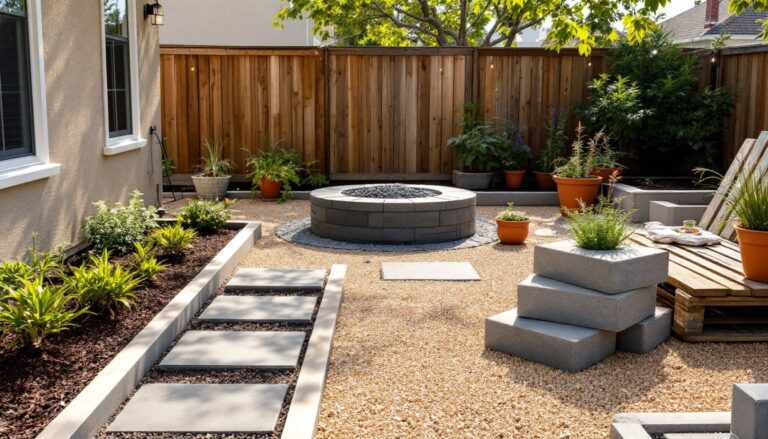
A backyard fire pit simplifies cooking. Portable steel fire rings (24–30 inches in diameter) cost $30–$100 and contain fires safely. Some homeowners build permanent pits with firebrick or concrete retaining wall blocks, though these require excavation and often a gravel base for drainage. Check local ordinances, many municipalities restrict open fires or require permits, especially during dry seasons.
Firewood should be dry and seasoned (under 20% moisture content). Hardwoods like oak, maple, or ash burn longer and produce better coals for cooking than softwoods like pine. Split logs into pieces 3–5 inches in diameter for consistent burning. Avoid treated lumber, painted wood, or plywood, these release toxic fumes when burned.
For cooking, let the fire burn down to coals before placing food over it. Flames create uneven heat and char food exteriors while leaving interiors raw. A grill grate positioned 6–8 inches above coals provides adjustable heat, prop it on bricks or use a grate with adjustable legs.
Classic camp meals include foil packet dinners: combine protein (chicken, sausage, or firm fish), diced vegetables (potatoes, onions, bell peppers), butter, and seasonings in heavy-duty aluminum foil. Seal tightly and place on coals for 20–30 minutes, flipping halfway through. Cleanup is minimal.
Cast-iron cookware is ideal for fire cooking. A 10-inch or 12-inch skillet handles eggs, pancakes, or quesadillas. A Dutch oven (5–7 quart capacity) can bake cornbread, cobblers, or chili. Pre-seasoned cast iron requires less maintenance than bare iron but still needs proper care, never soak it, and re-season after washing.
S’mores are obligatory, but variations keep things interesting. Swap milk chocolate for dark chocolate or peanut butter cups. Use flavored marshmallows or add sliced strawberries. Graham cracker alternatives include cookies (chocolate chip, gingersnaps) or even pretzels for a sweet-salty combo.
Safety reminder: Keep a 5-gallon bucket of water or a charged garden hose within reach of the fire. Never leave a fire unattended, and fully extinguish it before sleeping, coals can stay hot for 12+ hours. Stir ashes and douse with water until everything is cool to the touch.
Creating the Perfect Ambiance with Lighting and Décor
Lighting sets the mood without requiring elaborate setups. Solar-powered string lights charge during the day and provide 6–8 hours of illumination. Drape them between fence posts, trees, or a pergola. LED strands are cooler and safer than incandescent bulbs, especially near fabric tents or tarps.
Lanterns offer portable light. Battery-powered LED lanterns are safer than propane or liquid fuel models for backyard use, no risk of fuel spills or carbon monoxide. Many feature adjustable brightness and can hang from a tent loop or tree branch. Rechargeable models save money over disposable batteries.
For ambient light, fill mason jars halfway with sand and nestle tea lights inside. Space them around the campsite perimeter. This also works with citronella candles, which provide minor mosquito deterrence (though effectiveness is debatable).
Decoration should be functional. Outdoor rugs (8×10 feet or smaller) define the campsite area and keep dirt out of the tent. Polypropylene rugs resist mold and dry quickly. Camp chairs with cup holders and adjustable recline positions are more comfortable than folding lawn chairs, look for models rated to 250+ pounds.
Blankets and throw pillows add comfort to seating areas. Use synthetic or acrylic fabrics rather than wool or cotton, which absorb moisture and take forever to dry. Many outdoor living spaces benefit from weather-resistant textiles that transition easily between patio and camping setups.
Music is optional but can enhance the vibe. A Bluetooth speaker with 10+ hour battery life keeps the phone inside and away from the fire. Keep volume reasonable, one advantage of backyard camping is not annoying neighbors.
Safety Tips and Practical Considerations for Home Camping
Even in a backyard, safety protocols apply. Establish a fire safety perimeter, clear all flammable materials (dry grass, leaves, mulch) within a 10-foot radius of the fire pit. Never position tents or tarps downwind of the fire where sparks can land on fabric.
Check weather forecasts 24 hours before camping. Severe thunderstorms, high winds (15+ mph sustained), or temperature extremes warrant rescheduling. A backyard offers retreat options, but lightning doesn’t care how close the house is.
First aid supplies should include adhesive bandages, antiseptic wipes, tweezers (for splinters), antihistamine (for insect stings), and any personal medications. A minor cut or bee sting can derail a fun evening if supplies aren’t handy.
Insect management varies by region. In mosquito-heavy areas, apply DEET-based repellent (20–30% concentration) to exposed skin, avoiding eyes and mouth. Picaridin is an effective alternative for those sensitive to DEET. Treat tent screens with permethrin spray 24 hours before use, this kills mosquitoes and ticks on contact and lasts through multiple washes.
Tick checks are essential in wooded or grassy yards, even if the lawn is maintained. Inspect scalp, armpits, waistband, and behind knees after outdoor activities. Remove ticks with fine-tipped tweezers, grasping as close to the skin as possible and pulling straight out.
Wildlife is typically less of a concern in a backyard, but raccoons, opossums, and skunks can investigate campsites. Store all food in sealed containers inside the house or a locked shed overnight. Don’t leave coolers open or trash bags accessible.
If pets join the camping trip, keep dogs leashed or supervised, even a fenced yard doesn’t prevent a dog from bolting if startled by a noise. Cats are generally poor camping companions unless accustomed to harnesses and outdoor time.
Finally, manage expectations. Backyard camping won’t replicate the solitude of a backcountry trek, but it offers convenience and control that wilderness camping can’t match. The goal is to enjoy time outdoors with family, test gear, and create memories, whether that happens in Yosemite or fifty feet from the back door doesn’t matter as much as the experience itself.