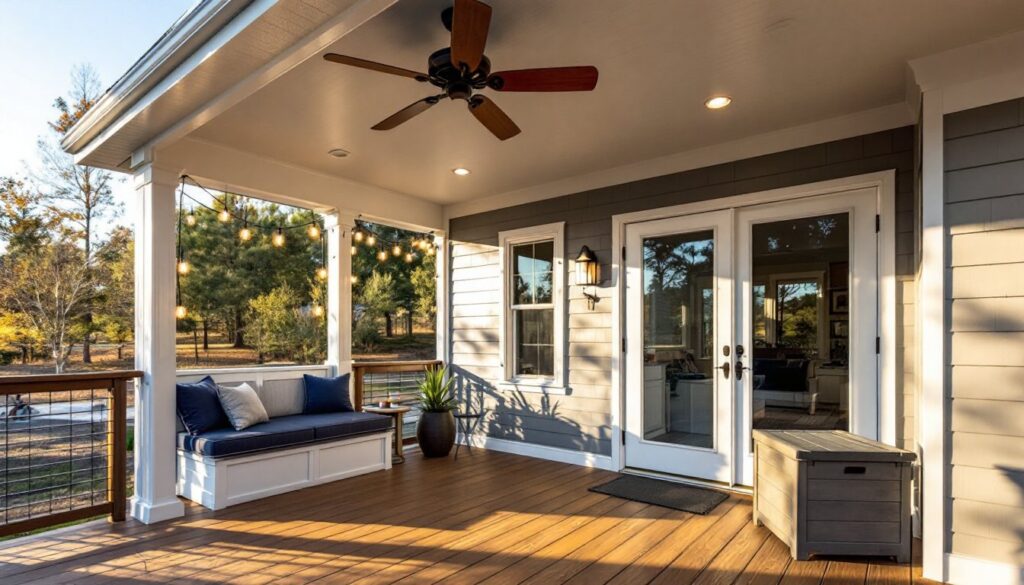

A <a href="https://i-zaitaku.com/backyard-makeovers-tips/”>backyard porch extends living space beyond four walls, creating a transitional zone between indoor comfort and the open yard. Whether it’s a morning coffee spot or an evening gathering area, the right porch design adds both function and resale value. But building or renovating one requires more than a Pinterest board, it demands material choices, structural planning, and honest consideration of climate, budget, and how the space will actually get used. From covered structures that shelter year-round to simple open platforms, here are practical designs and ideas that work for real backyards in 2026.
Key Takeaways
- Backyard porch ideas should balance material choices, structural planning, and climate considerations to maximize both function and resale value.
- Covered porches with gable roofs or screened panels extend usability year-round, while open designs with pergolas or louvered roofs suit homeowners prioritizing natural light.
- Budget-friendly upgrades like deck staining, outdoor rugs, and simple roof overhangs can transform existing surfaces without major structural investment.
- Material selection—from pressure-treated lumber ($1.50–3 per linear foot) to composite decking ($4–10 per linear foot)—directly impacts longevity and maintenance demands.
- Functional features like built-in seating, GFCI-protected lighting, and wet-rated ceiling fans turn empty porch space into a daily-use outdoor room.
- Obtain building permits, verify compliance with IRC codes for decking spans, and plan electrical rough-in before framing to avoid costly retrofits.
Cozy Covered Porch Designs for Year-Round Comfort
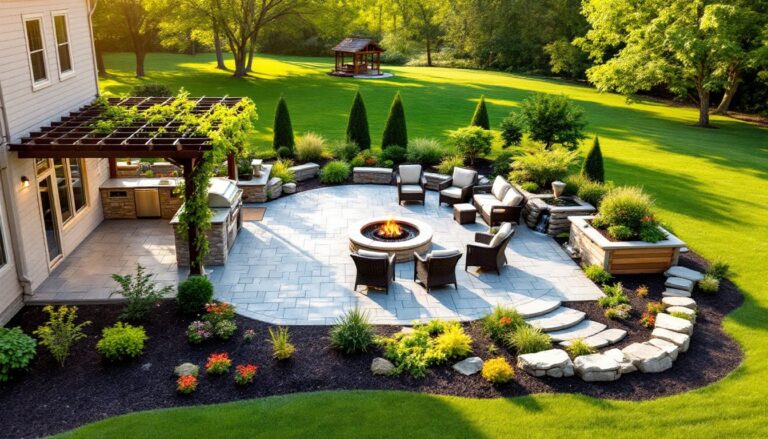
A covered porch provides shade in summer and shelter from rain or light snow, making it usable across seasons. The most common approach is a gable roof extension off the house’s existing roofline, which ties into the home’s framing and typically requires a building permit if the structure exceeds a certain square footage (varies by jurisdiction, check local codes).
For spans wider than 12 feet, expect to install a center beam supported by posts set on concrete footings below the frost line. Use pressure-treated 6×6 posts or steel columns if the design leans contemporary. Roofing material should match the house for visual cohesion: asphalt shingles, metal panels, or standing seam if the budget allows.
Screened porches add another layer of comfort by keeping insects out without blocking airflow. Frame screen panels between posts using 1×2 or 1×3 trim and staple fiberglass or aluminum screening to the interior. Pre-fab screen panel systems speed up installation but cost more. For three-season use in moderate climates, consider removable storm panels or roll-down vinyl screens that stow in winter.
If the porch will include ceiling fans or recessed lighting, plan electrical rough-in before framing is closed up. Most covered porches fall under NEC standards for outdoor-rated fixtures and GFCI protection on outlets. When integrating seasonal outdoor upgrades into the plan, wiring for smart switches or dimmers from the start saves retrofit headaches.
Open-Air Porch Concepts That Maximize Natural Light
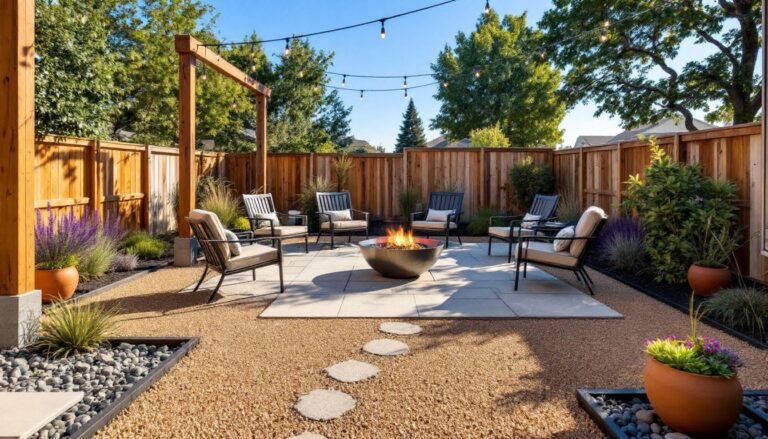
Open porches skip the roof or use pergolas and louvered covers that filter rather than block sunlight. These designs suit hot, dry climates or homeowners who prioritize sun exposure and sky views over total weather protection.
A ground-level deck is the simplest open porch: 2×6 or 5/4 decking on 2×8 joists spaced 16 inches on center, supported by a ledger board lag-bolted to the house rim joist and 4×4 posts on concrete piers at the perimeter. Use joist hangers and galvanized hardware throughout. Composite decking (PVC or capped polymer) requires zero staining but costs roughly double that of pressure-treated lumber.
For partial shade without full coverage, a pergola built from 2×6 or 2×8 rafters spaced 12 to 16 inches apart provides structure for climbing vines or retractable canopy fabric. Attach rafters to a ledger on the house and a beam carried by posts at the far end. Western red cedar or redwood weathers naturally: Doug fir or treated pine works if painted or stained.
Louvered porch roofs, adjustable aluminum slats that tilt open or closed, are gaining traction in 2026 for their flexibility. Motorized systems can be pricey (starting around $8,000 installed for a 12×12 area), but they allow instant control over sun, ventilation, and rain protection. Resources like Gardenista’s porch gallery showcase how louvers integrate into modern and traditional home styles.
Budget-Friendly Porch Makeover Ideas
Not every porch project requires a foundation pour and engineered plans. Cosmetic upgrades and small structural additions can transform an existing slab, deck, or bare concrete pad without major expense.
Paint or stain is the fastest ROI move. A weathered wood floor comes back to life with solid deck stain (about $30–40 per gallon, covering roughly 200–300 sq ft depending on porosity). For concrete, concrete stain or epoxy paint creates a clean, sealed surface. Porch ceilings traditionally get haint blue or soft whites: use exterior-grade porch and floor enamel rated for foot traffic if painting floorboards.
Outdoor rugs define seating zones and hide stains or worn boards. Polypropylene rugs resist mold and UV fade better than natural fiber. Anchor with rug pads or double-sided carpet tape to prevent bunching.
Adding a simple roof overhang to an open slab porch is doable for a skilled DIYer. Anchor a 2×6 ledger to wall studs (not just siding), then run 2×6 rafters out to a beam on two posts. Cover with corrugated polycarbonate panels ($1–2 per sq ft) for a budget roof that lets diffused light through. This approach suits sheds, back entries, or secondary porches where aesthetics take a back seat to function.
For a more polished upgrade without breaking ground, explore beginner-friendly outdoor projects that layer in furniture, planters, and lighting on existing hardscape.
Modern Minimalist Porch Styles
Minimalist porches strip away ornament in favor of clean lines, restrained color palettes, and quality materials doing one job well. Think flat or shed roofs, steel or aluminum posts, smooth concrete floors, and monochrome furniture.
Composite decking in charcoal or gray tones pairs with black aluminum railings (cable or tempered glass infill for unobstructed views). Skip decorative post caps and fascia trim: use flush beams and hidden fasteners wherever possible. Lighting is recessed or linear LED strips, no lanterns or pendant fixtures.
For covered minimalist porches, a single-slope (shed) roof with exposed rafter tails and a standing seam metal finish looks sharp and sheds water efficiently. Paint or powder-coat all metal components matte black or bronze. Keep furniture to modular sectionals in neutral tones: add one or two sculptural planters in concrete or Corten steel.
Choosing the Right Materials for Your Backyard Porch
Material choice affects longevity, maintenance, aesthetics, and budget. Here’s a breakdown of common porch materials and their trade-offs.
Decking:
- Pressure-treated pine: Least expensive ($1.50–3 per linear foot), requires annual staining or sealing, prone to warping and splinters.
- Cedar or redwood: Naturally rot-resistant, weathers to silver-gray if left unsealed, costs $4–8 per linear foot.
- Composite (PVC or capped polymer): Low maintenance, won’t rot or splinter, costs $4–10 per linear foot, can get hot underfoot in direct sun.
- Hardwoods (Ipe, Tigerwood): Extremely dense and durable, beautiful grain, expensive ($8–15 per linear foot), requires carbide blades and pre-drilling.
Framing:
- Pressure-treated lumber: Standard for joists, beams, and posts: rated for ground contact or above-ground use (check the stamp).
- Engineered lumber (LVL, glulam): Stronger and straighter for long spans: more costly but reduces bounce in floors.
Roofing:
- Asphalt shingles: Budget-friendly, easy to match existing roof.
- Metal panels: Longer lifespan, faster install, louder in rain.
- Polycarbonate or fiberglass: Translucent, good for sunrooms or budget covers, can yellow over time.
Railings:
- Wood balusters: Traditional, requires paint or stain upkeep.
- Aluminum or vinyl: Low maintenance, available in various colors.
- Cable or glass: Modern aesthetic, unobstructed sightlines, higher cost.
Always verify that decking and structural lumber meet local IRC (International Residential Code) span tables and load requirements. For multi-level or elevated porches, consult a structural engineer or experienced contractor. Design ideas from contemporary outdoor trends can inform material pairings that fit modern or traditional homes.
Adding Functional Features: Seating, Lighting, and Storage
A porch’s usability hinges on thoughtful details, built-ins, lighting zones, and smart storage turn empty square footage into a daily-use room.
Built-In Seating:
Bench seating along one or two walls maximizes floor space and eliminates the need to move furniture in bad weather. Frame benches at 18 inches tall and 18–20 inches deep using the same lumber as the porch structure. Top with 2×4 or 2×6 caps, slightly overhanging the front for drip edge. Add hinged lids over the seat base for hidden storage (cushions, toys, garden tools). Use stainless steel or brass hinges and install a soft-close mechanism or lid support to prevent pinched fingers.
Lighting:
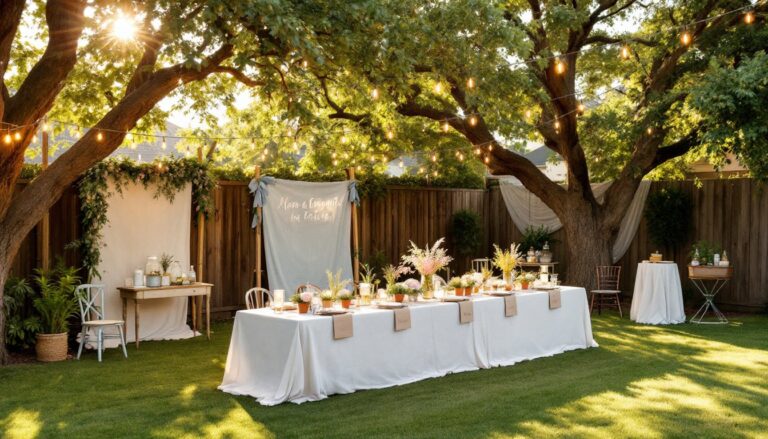
Layer ambient, task, and accent lighting for flexibility. Recessed ceiling cans (IC-rated if insulation contact is possible) provide general illumination: space them 4–6 feet apart in a grid. Wall sconces flanking doorways add symmetry and task light. String lights or café lights strung between posts or along the roofline create a relaxed vibe, use outdoor-rated LED bulbs on a dimmer.
All outlets and switches must be GFCI-protected and use weather-resistant covers (even under a roof, moisture intrusion happens). If running new circuits, a licensed electrician ensures compliance with NEC Article 210 for outdoor branch circuits. Smart switches or plug-in timers automate lighting and reduce energy waste.
Storage:
Deck boxes, weatherproof cabinets, or under-bench compartments keep clutter off the floor. Resin deck boxes resist rot and require no maintenance: cedar storage benches look better but need seasonal sealing. For a cleaner look, build a shallow storage closet into an exterior wall (framed with 2x4s, sided to match the house) to stash grilling tools, hoses, or firewood.
Ceiling Fans:
A wet-rated ceiling fan (not just damp-rated) is essential for covered porches exposed to rain. Mount to a fan-rated junction box secured to a ceiling joist or fan brace installed between joists. Blade span should be 52–60 inches for most porch sizes: larger spans push air better but require higher ceilings. Reversible motors allow updraft in winter to recirculate warm air.
Integrating these features into a larger yard transformation ensures the porch connects functionally to gardens, patios, or pool areas.
Conclusion
A well-planned backyard porch bridges indoor living and outdoor leisure, adding square footage that pays back in daily use and resale appeal. Whether it’s a covered retreat with screens and fans or a minimalist open deck that soaks up sunlight, success comes down to honest material choices, code-compliant framing, and features that match how the space will actually be used. Measure twice, plan for drainage and electrical from the start, and don’t skip the permit process when required. The result is a durable, functional outdoor room that stands up to weather and wear for years.