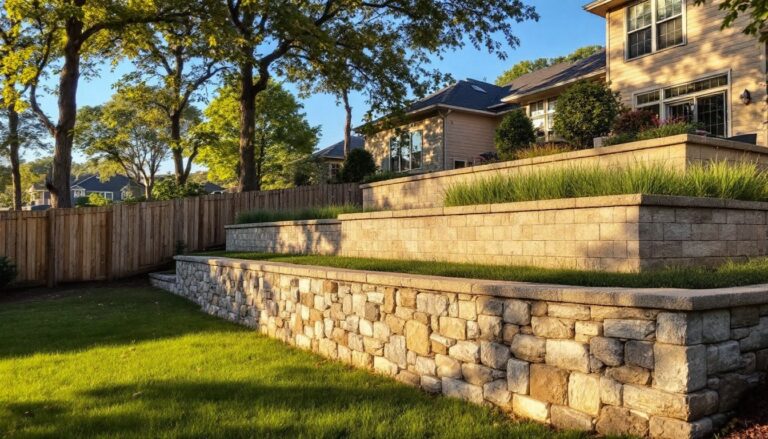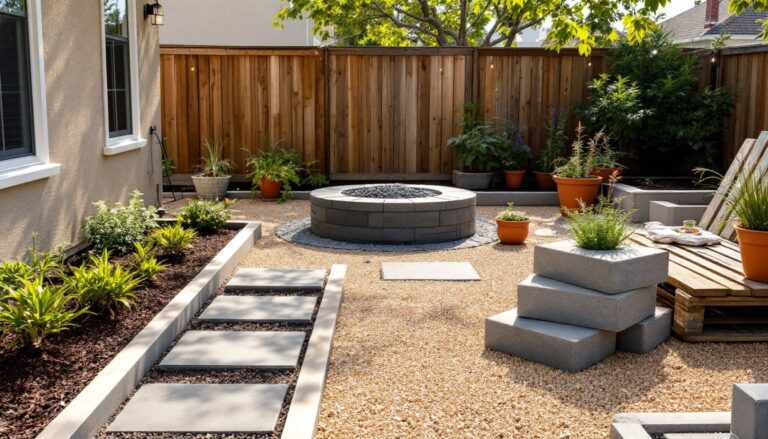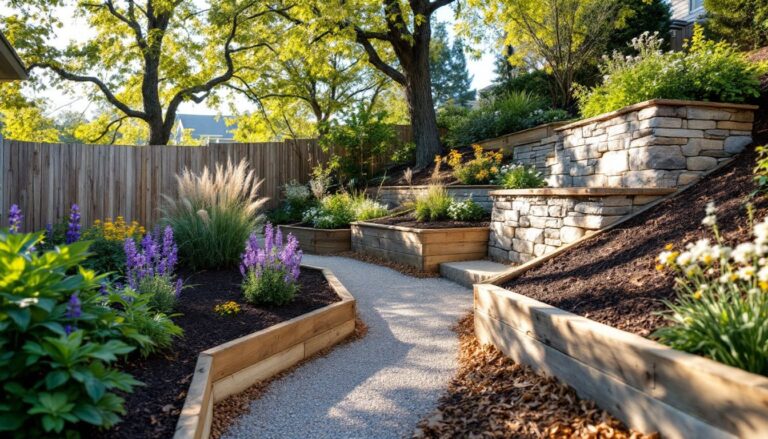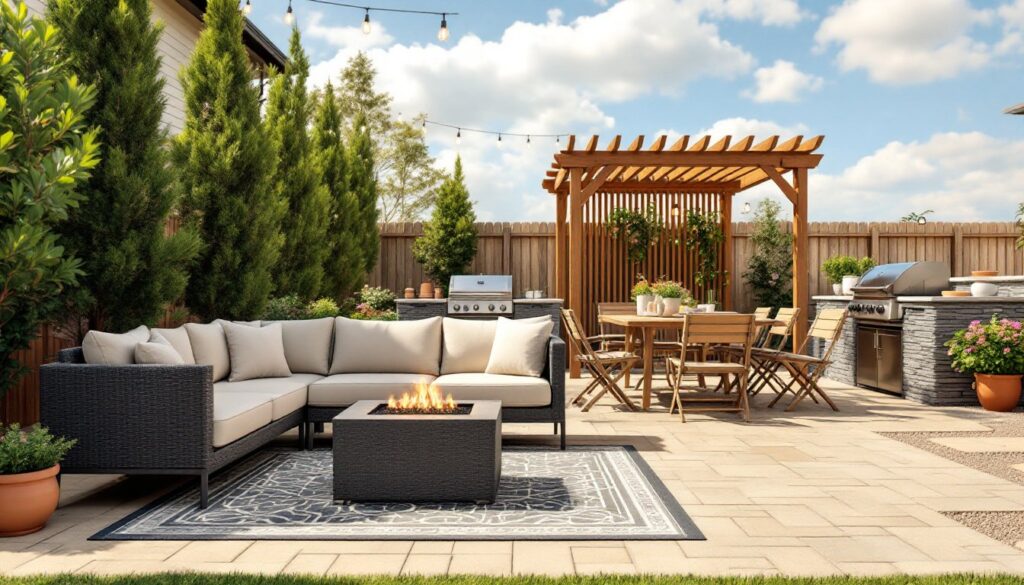

A functional patio turns a backyard into a retreat without requiring a full-scale renovation. Homeowners often overlook simple upgrades that deliver real impact, choosing the right flooring, adding proper lighting, or creating defined zones for cooking and lounging. The goal isn’t to copy a catalog photo. It’s about building a space that fits how the household actually uses the yard, whether that’s weekend grilling, container gardening, or just sitting outside with coffee. The following ideas focus on projects that balance effort, cost, and long-term durability.
Key Takeaways
- Transform your backyard with functional patio ideas that focus on fit and durability rather than catalog perfection, balancing effort, cost, and long-term use.
- Create an outdoor living room by investing in weather-resistant furniture, outdoor rugs, and storage solutions like built-in benches to maximize comfort and functionality.
- Design a dedicated dining and entertainment zone with proper table sizing, shade options like retractable awnings or pergolas, and streamlined cooking stations for easy entertaining.
- Incorporate greenery through container gardens, raised beds, and vertical trellises to define spaces and add natural elements without requiring extensive in-ground planting.
- Layer lighting for both ambiance and function using LED string lights, task lighting at grills and dining areas, and path lighting with low-voltage systems that improve safety.
- Choose durable flooring materials like concrete pavers or composite decking appropriate for your climate, and enhance privacy with fencing, lattice panels, or planted screens tailored to your patio’s layout.
Create a Cozy Outdoor Living Room
An outdoor living room requires weather-resistant furniture and a solid layout plan. Start by measuring the patio to determine furniture scale, most sectionals need at least 8 x 10 feet of clear space for comfortable traffic flow. Opt for materials like powder-coated aluminum, teak, or all-weather wicker that hold up under UV exposure and humidity.
A defined seating area benefits from an outdoor rug to anchor furniture and reduce dust. Polypropylene rugs resist mold and fade less than natural fibers. Choose a size that extends 12–18 inches beyond the furniture footprint on all sides.
Storage is often neglected. Built-in benches with hinged lids provide seating and stash cushions when rain’s forecast. If building a bench, frame it with 2×4 pressure-treated lumber and add waterproof hinges rated for outdoor use.
Fire features add warmth and extend the season. Propane fire tables connect to standard 20-pound tanks and don’t require a gas line or permit in most jurisdictions. Wood-burning fire pits do require clearance from structures, check local fire codes, but 10 feet from the house is a common minimum. Always place fire features on non-combustible surfaces like concrete pavers or gravel, never on wood decking.
For comfort in bug season, consider a ceiling fan if the patio is covered. Models rated for damp or wet locations (UL listing) handle moisture. A 52-inch fan works for patios up to 225 square feet.
Design a Dining and Entertainment Zone
A dedicated dining zone starts with choosing the right table size. A standard 6-foot rectangular table seats six comfortably and requires a pad of at least 10 x 12 feet to allow chair pullout. Round tables save space in tighter layouts, a 48-inch round seats four without corner dead zones.
Built-in grilling stations streamline outdoor cooking but need planning. A basic setup includes the grill, a 24-inch prep counter on each side, and undercounter storage. Use concrete backer board behind the grill to protect combustible siding. Natural gas lines require a licensed plumber and a permit in most areas: propane setups skip the red tape but need ventilation.
Outdoor kitchens don’t have to be complex. A simple kamado grill on a rolling cart paired with a stainless prep table delivers function without the expense of masonry. If installing a sink, code typically requires a 1.5-inch drain and a backflow preventer on the water supply.
Shade makes or breaks a dining area. Retractable awnings offer flexibility, motorized models cost more but save wear on the fabric. Pergolas provide partial shade and support climbing vines or retractable canopy systems. Span distances over 12 feet typically require 2×8 or larger beams depending on load and spacing: consult span tables in the International Residential Code (IRC) or have an engineer review the design.
Bar carts and beverage coolers add convenience. A rolling cart keeps glassware and bottles accessible without interior trips. Built-in coolers need drainage, route a 3/4-inch line to landscape or connect to existing drainage if codes allow.
Add Natural Elements with Greenery and Landscaping
Container gardening works when in-ground planting isn’t an option. Large planters (at least 16 inches in diameter) support perennials and small shrubs. Drill drainage holes if pots don’t have them, standing water kills roots faster than drought.
Raised beds border patios and define spaces without hardscaping. Build frames from 2×10 or 2×12 cedar or redwood for rot resistance, or use composite decking if budget allows. Beds deeper than 12 inches support a wider plant range, including root vegetables.
Vertical gardens maximize limited space. Trellis panels mounted to fencing or exterior walls support climbers like clematis, jasmine, or edible beans. Secure trellises with galvanized or stainless steel screws, avoid direct wood-to-masonry contact, which traps moisture. Living walls using modular pocket planters need irrigation: a drip system on a timer prevents daily hand-watering.
Edging keeps mulch and soil from migrating onto pavers. Steel or aluminum edging bends to curves and lasts decades. Plastic edging is cheaper but becomes brittle in sun. Install edging so the top sits 1 inch below the paver surface to allow mower clearance.
Mulch reduces weeds and moderates soil temperature. Shredded hardwood bark is common, but it breaks down faster in wet climates. 2–3 inches of mulch is standard: more smothers plant roots. Gravel mulch suits xeriscaping and doesn’t decompose, but it’s harder to remove if plans change. Many pea gravel installations cost around $5 per square foot including base prep.
Incorporate Lighting for Ambiance and Functionality
Functional lighting starts with task areas, grill zones, steps, and dining tables. LED fixtures use less power and generate minimal heat. For grilling, mount a directional LED floodlight (aim for 700–1000 lumens) on a nearby wall or post. Install it 6–7 feet high to avoid glare.
String lights deliver ambiance without hardwiring. Commercial-grade strings with 12- or 14-gauge wire and replaceable LED bulbs outlast lightweight sets. Suspend them on galvanized steel cable (not the string’s own wire) to prevent sagging. Anchor cables to posts or eye bolts screwed into solid framing, toggle bolts work for masonry.
Path lighting improves safety. Low-voltage systems (12V) are DIY-friendly and don’t require an electrician in most jurisdictions. Run 12- or 14-gauge landscape cable underground in conduit where it crosses walkways. Space fixtures 8–10 feet apart along paths. Transformer size depends on total wattage, add up fixture watts and choose a transformer rated 20% higher than the sum.
Uplighting highlights trees, architectural features, or planters. Position fixtures 12–18 inches from the base of a tree and angle upward. Use warm white (2700–3000K) LEDs to avoid a clinical look.
Motion sensors and timers reduce energy waste. Photocell timers turn lights on at dusk automatically. Motion sensors work well for steps and entries but can be annoying in lounging areas. Many outdoor lighting projects now integrate smart controls for scheduling and dimming.
Choose the Right Flooring and Surface Materials
Concrete pavers offer durability and design flexibility. Standard 12 x 12-inch pavers install faster than smaller sizes. Lay them on 4–6 inches of compacted gravel base plus 1 inch of sand. A plate compactor (rent one for around $75/day) ensures the base won’t settle. Polymeric sand between joints resists weeds and washout better than regular sand, wet it in after sweeping to activate the binder.
Poured concrete costs less per square foot but cracks without proper prep. A 4-inch slab over compacted base works for most patios. In freeze-thaw climates, use air-entrained concrete (typically 5–7% air) and install control joints every 8–10 feet to manage cracking. Broom-finish or stamped patterns add traction.
Gravel patios suit informal spaces and drain instantly. Use crushed stone (3/4-inch minus) for the base and top with pea gravel or decomposed granite. Edge it to prevent spread. Gravel isn’t ideal under dining tables, chair legs sink, but it works for fire pit zones. Expect to rake and top-dress every couple of years.
Wood decking requires more maintenance than masonry but feels warmer underfoot. Pressure-treated southern yellow pine is economical: composite decking costs 2–3 times more but doesn’t need staining. Joists must sit on concrete footings below frost line (check local depth, it ranges from 12 inches in warm zones to 48+ inches in cold climates). Decking screws should be stainless steel or coated to prevent rust stains.
Permeable pavers reduce runoff and may satisfy stormwater regulations in some areas. They include gaps for water infiltration and require a crushed stone base, no sand. Installation is similar to standard pavers but verify the subgrade drains: clay soils may need underdrains.
Enhance Privacy with Creative Screening Solutions
Fencing is the most common privacy solution. 6-foot board-on-board cedar fences block sightlines and muffle noise. Posts should be 4×4 treated lumber set in concrete, dig postholes 24–30 inches deep (below frost line) and use fast-setting concrete mix. Check property lines and local fence ordinances before building: some HOAs restrict height or style.
Lattice panels add privacy without solid barriers. Mount them to fence tops or as standalone screens. Vinyl lattice resists rot better than wood and doesn’t need paint. For climbing plants, use 3/4-inch square grid or larger, tight grids don’t give vines much to grip.
Outdoor curtains offer flexible privacy. Hang them on galvanized steel cable or curtain rods designed for exterior use. Fabrics should be solution-dyed acrylic or outdoor polyester to resist fading and mildew. Weigh hems with chain or grommets and bungees to prevent flapping.
Planted screens take time but add greenery. Evergreen shrubs like arborvitae or skip laurel provide year-round coverage. Space them based on mature width, don’t crowd or they’ll thin out at the base. Bamboo grows fast but spreads aggressively: use clumping varieties (not running types) or install rhizome barrier at least 24 inches deep.
Decorative screens made from metal, composite, or wood panels add modern style. Laser-cut designs let in light while obscuring views. Mount panels to 4×4 posts for stability. Many recent outdoor projects combine screening with integrated planters for a layered effect.
Conclusion
A well-planned patio balances aesthetics with buildability. Focus on quality materials in high-wear areas like flooring and seating, then layer in lighting, greenery, and privacy as budget allows. Most projects don’t need a contractor, but don’t skip permits for electrical, gas, or structural work. Measure twice, prep thoroughly, and the space will serve for years.