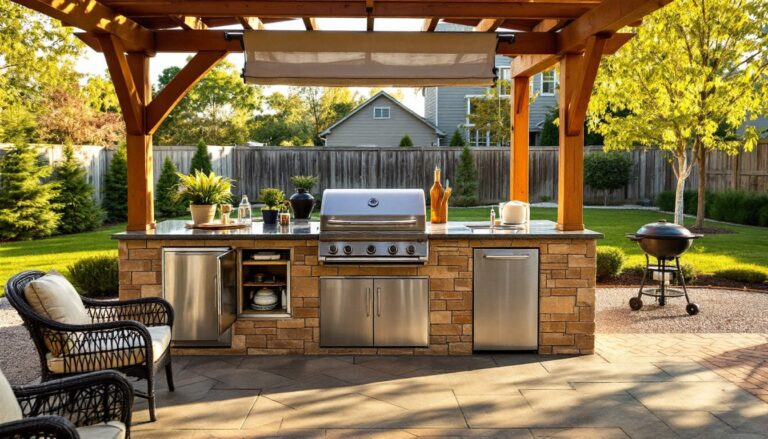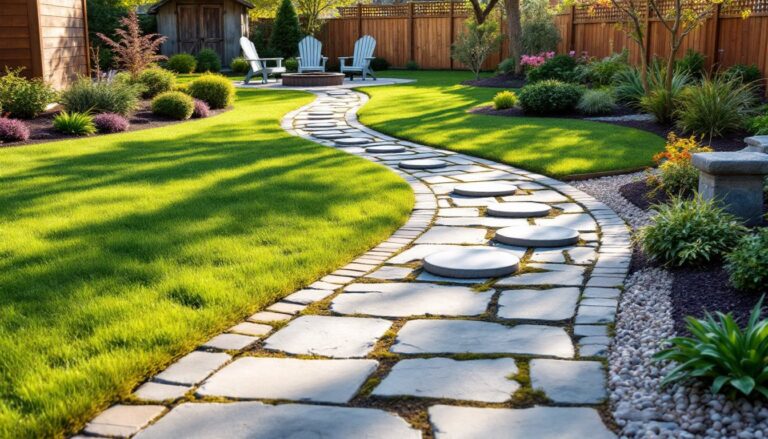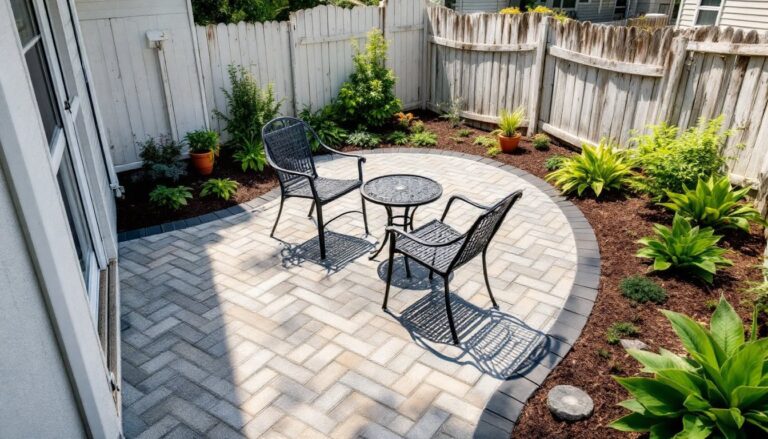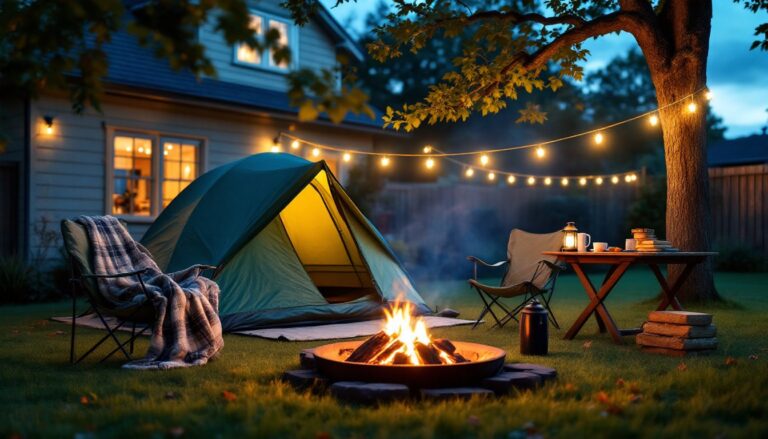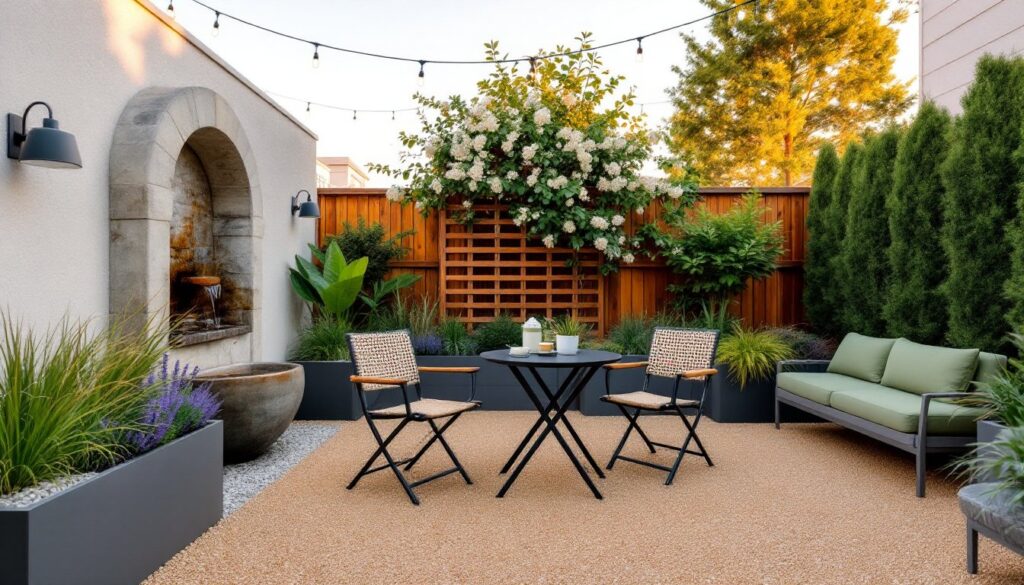

Turning a cramped backyard into a retreat doesn’t require acreage or a contractor’s budget. With smart layout choices, vertical thinking, and a few well-placed elements, even a narrow city lot or postage-stamp patio can become a space worth lingering in. The key is treating every square foot as valuable real estate, choosing plants, furniture, and features that deliver maximum impact without crowding sightlines or circulation. This guide walks through practical strategies for creating privacy, adding greenery, incorporating water, and selecting low-maintenance plants that thrive in small footprints.
Key Takeaways
- Small backyard oasis ideas thrive when you balance three core elements: enclosure for privacy, sensory interest through plants and water, and usable seating or activity zones that avoid clutter.
- Vertical gardens and trellises maximize limited ground space while providing privacy screens, with pressure-treated wood or modular systems requiring secure installation rated for the saturated weight of soil and plants.
- Water features like compact fountains and bubblers add movement and sound without large footprints, requiring only a 120V outlet, GFCI protection, and monthly maintenance of pump intake screens.
- Multi-functional furniture such as storage benches, fold-down tables, and built-in seating designed with 36 inches of clearance behind chairs transforms tight quarters into functional retreats.
- Low-maintenance plants including ornamental grasses, sedums, dwarf conifers, and hardy geraniums paired with drip irrigation on timers eliminate guesswork while reducing water use and pest pressure.
- Lighting with warm-toned LED path lights (2700–3000K) and strategic positioning extends your small backyard oasis into evening hours without overwhelming compact layouts.
What Makes a Small Backyard Feel Like an Oasis?
An oasis balances three elements: enclosure, sensory interest, and usability. Enclosure means defining boundaries with fencing, hedges, or trellises so the space feels intentional rather than leftover. Sensory interest comes from textures, sounds (rustling grasses, trickling water), and layered plantings that change with the season. Usability means the layout supports real activities, seating for two, a spot for morning coffee, or a small dining table, without feeling cluttered.
Small yards benefit from a single focal point: a striking planter, a wall-mounted fountain, or a seating nook framed by greenery. Multiple competing features make tight spaces feel chaotic. Choose one anchor element and build around it. Avoid lawn in spaces under 200 square feet: it’s high-maintenance and rarely looks lush in heavy shade or narrow strips. Replace turf with permeable pavers, gravel, or ground covers like creeping thyme or mondo grass.
Lighting extends usability into evening hours. Low-voltage LED path lights (12V systems) are DIY-friendly and don’t require an electrician for most installations. String lights add ambiance but should be anchored securely to posts or walls using galvanized eye hooks rated for outdoor use. Check local codes: some municipalities restrict overhead structures or require permits for permanent lighting installations.
Vertical Greenery and Living Walls for Space-Saving Beauty
When ground space is scarce, grow upward. Vertical gardens and trellises add greenery without consuming square footage, and they double as privacy screens. Wall-mounted planters, modular pocket systems, and classic wood trellises all work: the choice depends on sun exposure, irrigation access, and weight load.
For DIY trellis builds, use pressure-treated 2×2s or cedar for longevity. Attach to fences or walls with exterior-grade lag screws into studs or masonry anchors rated for the planter’s saturated weight (soil + water + plants). A 4×8-foot trellis with vining plants can weigh 60+ pounds when wet. Space vertical slats 6–8 inches apart for climbing vines like clematis, jasmine, or passion flower.
Modular living wall systems (felt pockets, plastic grids) are faster but require consistent irrigation. Drip systems or soaker hoses work well: hand-watering vertical gardens is tedious and uneven. If installing on a shared fence, confirm it can handle added weight and moisture exposure. Many backyard makeover projects incorporate vertical elements to maximize limited footprints.
Plant picks for vertical growth:
- Climbing hydrangea (shade-tolerant, slow to establish but low-maintenance once mature)
- Star jasmine (evergreen, fragrant, thrives in zones 8–10)
- Boston ivy (fast coverage, brilliant fall color, clings without support)
- Hops (annual in cold climates, rapid summer growth, dies back in winter)
Avoid English ivy on wood structures: it traps moisture and accelerates rot.
Water Features That Fit Compact Spaces
A small fountain or bubbler adds sound and movement without the footprint of a pond. Urn fountains, wall-mounted spouts, and recirculating basins fit patios as small as 4×6 feet. Most plug into standard 120V outlets via a submersible pump (20–50 watts): GFCI protection is required by the National Electrical Code (NEC) for outdoor receptacles.
For a simple DIY bubbler, use a watertight resin or glazed ceramic basin (18–24 inches diameter), a submersible fountain pump (150–250 GPH), and decorative river rock to conceal the reservoir. Drill a hole in the center of a large flat stone or urn for the pump tubing. Elevate the pump on a brick or plastic grate so debris doesn’t clog the intake. Top off water weekly: evaporation is faster in sun and wind.
Wall-mounted fountains save floor space and work on fence posts or exterior walls. Mount the basin securely with masonry anchors or wood screws into studs. Run the power cord through conduit if surface-mounted: exposed cords are a tripping hazard and degrade in UV exposure. Homeowners seeking inspiration for outdoor transformations often integrate water features as focal points.
Maintenance notes:
- Clean pump intake screens monthly to prevent clogs
- Use distilled water or add fountain enzyme treatments to reduce algae
- Winterize in freeze-prone zones: drain, remove pump, store indoors
- Avoid placing fountains under deciduous trees: leaf litter clogs systems fast
Skip koi or fish in small features. They require filtration, aeration, and water volume that compact fountains can’t support.
Multi-Functional Furniture and Seating Solutions
In tight quarters, furniture should earn its footprint. Storage benches, fold-down tables, and nesting stools provide seating and utility without permanent space commitment. Look for pieces with dual purposes: a bench with a hinged seat for cushion storage, a side table that doubles as a planter stand, or a dining table that folds flat against a wall.
Built-in seating maximizes awkward corners. A simple L-shaped bench built from 2×4 framing and 5/4×6 deck boards can tuck into a 3×5-foot nook. Use exterior-grade screws (stainless or coated) and seal wood with a penetrating oil or solid stain for longevity. Add waterproof cushions stored indoors when not in use: outdoor fabric fades and mildews faster than marketing suggests.
For movable seating, choose lightweight materials like aluminum frames or resin wicker over wrought iron, which rusts and is heavy to rearrange. Folding bistro sets (24–30 inch round tables, two chairs) fit patios as small as 5×7 feet and store flat in a garage or shed. Design-forward homeowners often reference small-space strategies to optimize furniture placement.
Measurement tips:
- Allow 36 inches of clearance behind chairs for comfortable seating and circulation
- A 4-person dining table needs roughly 8×10 feet of space including chairs
- Round or oval tables feel less cramped than rectangular in narrow spaces
- Benches without backs save 8–12 inches of depth vs. traditional chairs
Test furniture layouts with cardboard cutouts before buying. It’s easier to shuffle cardboard than return a sectional that blocks the only door.
Creating Privacy and Ambiance in Tight Quarters
Privacy in small yards requires screening sightlines without creating a walled-in feel. Lattice panels, bamboo fencing, and outdoor curtains filter views while preserving airflow and light. Solid privacy fences (6-foot cedar or vinyl) work but can make small spaces feel cave-like: consider topping a 4-foot fence with 2 feet of lattice for a lighter look.
For quick privacy, plant fast-growing columnar evergreens like ‘Emerald Green’ arborvitae or ‘Sky Pencil’ holly (12–18 inches wide, 6–8 feet tall). Space them 24–30 inches apart for a continuous screen within two seasons. Avoid Leyland cypress in small yards: it grows 3+ feet per year and quickly overpowers tight spaces.
Outdoor curtains on a galvanized steel cable or curtain rod soften hard edges and add flex. Use marine-grade stainless cable (1/8-inch diameter) tensioned between posts with turnbuckles. Fabrics should be solution-dyed acrylic (Sunbrella or equivalent) for fade resistance. Hem bottoms with a chain weight or grommets to prevent billowing. Many beginner-friendly projects incorporate fabric elements for adjustable privacy.
Ambiance lighting includes:
- Solar path lights (no wiring, but inconsistent in shade or cloudy climates)
- Low-voltage LED strip lighting under bench seating or railings
- Candle lanterns (real or LED) for tabletop accent
- Up-lights at base of trees or tall grasses for dramatic shadows
Dim, warm-toned lighting (2700–3000K) feels more inviting than bright white LEDs. Use a photo timer or smart plug to automate dusk-to-dawn operation without manual switching.
Low-Maintenance Plant Selections for Busy Homeowners
Oasis doesn’t mean high-maintenance. Choose plants that thrive with weekly watering (or less) and minimal pruning. Native species and drought-tolerant perennials reduce water use and pest pressure. Many successful outdoor transformations prioritize resilient plant palettes.
Top performers for small spaces:
- Ornamental grasses (Karl Foerster feather reed, blue fescue): Year-round structure, one annual cut-back in early spring
- Sedums and succulents (hens-and-chicks, stonecrop): Drought-proof, thrive in poor soil, minimal water
- Dwarf conifers (dwarf Alberta spruce, globe blue spruce): Slow growth, evergreen interest, no shearing needed
- Hardy geraniums (perennial, not annual): Long bloom, deer-resistant, self-cleaning flowers
- Lavender (English or French): Fragrant, pollinator-friendly, thrives in lean soil with good drainage
Avoid plants that sucker aggressively (bamboo, mint, ribbon grass) or require frequent deadheading (roses, most annuals). In shaded yards, use hostas, ferns, and coral bells for texture without sun. Many homeowners find design inspiration helpful when selecting cohesive plant combinations.
Soil and mulch basics:
- Amend clay or compacted soil with 2–3 inches of compost tilled into the top 6 inches before planting
- Mulch planting beds with shredded hardwood or pine bark (2–3 inches deep) to suppress weeds and retain moisture
- Keep mulch 2–3 inches away from plant stems to prevent rot
- Top-dress mulch annually: it decomposes and settles over time
Drip irrigation on a timer eliminates guesswork. A basic kit with 1/2-inch poly tubing and adjustable emitters covers most small beds and connects to a hose bib with a battery-operated controller (around $30–60). Run emitters at plant root zones, not broadcast across open soil.
Conclusion
Small backyards reward intentional design. Every element, vertical plantings, compact water features, dual-purpose furniture, and resilient plants, should contribute to comfort and usability without clutter. Start with one or two high-impact changes, test the layout, and build from there. The best oasis is one that fits real life, not just a weekend vision board.