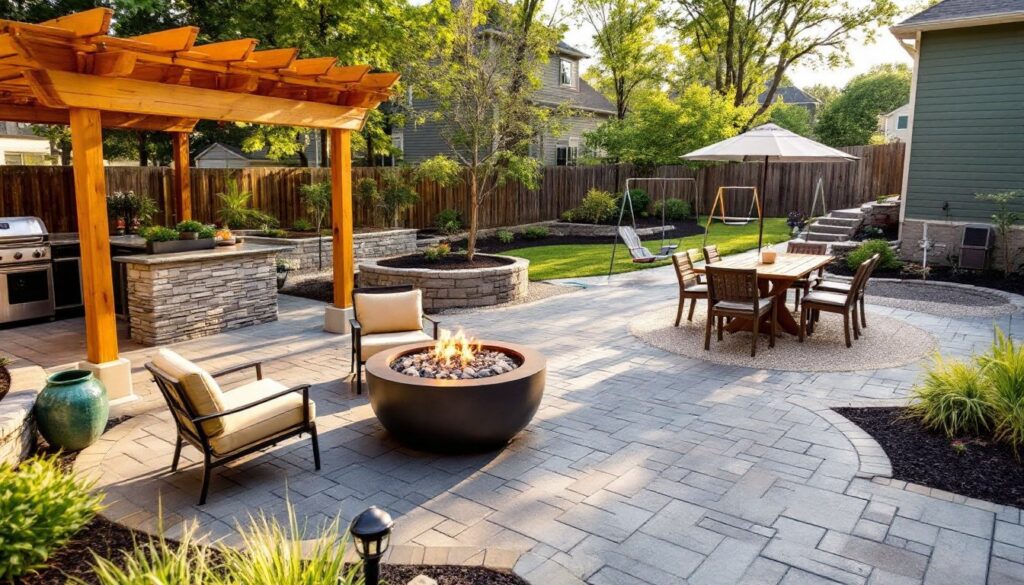

A backyard shouldn’t sit empty nine months of the year. Whether someone’s working with a sprawling lawn or a compact patio, the right improvements turn underused outdoor space into functional square footage that gets daily use. From built-in seating to raised garden beds, these ideas cover everything from weekend projects to full-scale renovations. Each section breaks down what’s realistic for different skill levels and budgets, with honest talk about what requires permits, professional help, or just a free Saturday and some basic tools.
Table of Contents
ToggleKey Takeaways
- Backyard ideas transform underused outdoor space into functional living areas through hardscaping, zones, and purpose-driven design rather than empty lawns.
- Proper preparation—from frost-line footings to drainage slopes and utility location (call 811 before digging)—determines whether backyard projects last years or require costly redos.
- Raised garden beds with native, drought-tolerant plants and drip irrigation reduce water use by 50-75% while improving soil control and curb appeal.
- Outdoor kitchens, fire pits, and entertainment features require permits and professional installation for gas lines and electrical work, but dramatically increase daily use and resale value.
- Budget-friendly DIY projects like pallet furniture, concrete pavers in sand, and cinder block vertical gardens deliver immediate results for under $5 per square foot.
Cozy Outdoor Living Areas That Extend Your Home
Building a dedicated outdoor living area starts with defining zones. A 12×12-foot paver patio provides enough room for a four-person seating group, while 16×20 feet accommodates dining and lounge areas together.
Deck construction requires footings below the frost line (check local codes, typically 36-48 inches in cold climates). Pressure-treated 2×6 decking boards span 16-inch joist spacing: composite decking often requires 12-inch centers. Both need ledger board attachment to the house with ½-inch lag screws or bolts every 16 inches into the rim joist, plus flashing to prevent water intrusion.
For no-dig options, consider a gravel patio with pavers. Excavate 6-8 inches, lay landscape fabric, add 4 inches of compacted gravel base, then 2 inches of sand, and set pavers with polymeric sand in the joints. Homeowners executing planned outdoor transformations often start with hardscaping before adding furniture or plants.
Pergolas create overhead definition without blocking sky views. Standard 10×12-foot kits use 4×4 posts set in concrete, with 2×6 or 2×8 rafters. Freestanding versions need footings: attached pergolas require a ledger board and typically a permit. Add a retractable fabric canopy or climbing vines like wisteria for adjustable shade.
Safety note: Always call 811 before digging to locate buried utilities.
Kitchen and Dining Spaces for Al Fresco Entertainment
An outdoor kitchen involves more than rolling a grill outside. Permanent installations need dedicated gas lines (requires licensed plumber and permit) or hardwired electric for built-in appliances (also permitted work per NEC codes).
A basic setup includes a built-in grill island with concrete block or steel stud framing, cement board sheathing, and stone veneer or stucco finish. Budget 36 inches of counter space per side of the grill for prep. Add a small under-counter fridge (rated for outdoor use, not garage models) and a single-basin sink with a dedicated drain line and frost-proof shutoff if in a freeze zone.
Countertop materials: Granite and concrete hold up to weather: tile works but grout lines crack in freeze-thaw cycles. Avoid laminate and butcher block outdoors.
For dining, a concrete patio poured at least 4 inches thick over 4 inches of compacted gravel handles table weight and foot traffic. Slope it ¼ inch per foot away from the house for drainage. Control joints every 8-10 feet prevent random cracking.
Pizza ovens need a non-combustible base and clearance from structures. Prefab kits simplify installation, but a full masonry oven requires a reinforced concrete slab and a skilled mason. These projects often appear in successful outdoor redesigns due to their high entertainment value.
String lights (14-16 AWG wire, outdoor-rated) on a dimmer switch create ambiance. Hang them on galvanized steel cable tensioned between posts for a clean look.
Garden and Landscaping Ideas to Boost Curb Appeal
Raised beds give better drainage and soil control than in-ground planting. Build them from 2×10 or 2×12 cedar or redwood boards, naturally rot-resistant without chemical treatment. Corner joints use 3-inch exterior screws or galvanized brackets. Fill with a mix of ⅓ compost, ⅓ peat moss or coco coir, ⅓ vermiculite for a balanced growing medium.
Beds 4 feet wide allow reach from both sides without stepping on soil. Height depends on crops: 12 inches works for lettuce and herbs: 24 inches suits root vegetables.
Xeriscaping cuts water use by 50-75% using native, drought-tolerant plants. Design principles from established landscaping practices include grouping plants by water needs, mulching heavily (3-4 inches of wood chips), and minimizing turf grass.
Drip irrigation delivers water directly to roots. A basic system uses ½-inch polyethylene mainline with ¼-inch distribution tubing and emitters spaced per plant needs (typically 1-2 gallons per hour for shrubs, ½ gallon for perennials). Run it on a timer early morning to reduce evaporation.
Retaining walls over 4 feet tall usually need engineered plans and permits. Segmental retaining wall blocks interlock without mortar and include built-in setback for stability. Backfill with gravel, install landscape fabric, and add a perforated drain pipe at the base to prevent hydrostatic pressure.
Edging keeps mulch in beds and grass out. Steel or aluminum 4-inch landscape edging lasts decades: plastic cracks in sun. Pound stakes every 3-4 feet and bury the bottom flange 2 inches deep.
Fun and Functional Features for Families
Swing sets and playsets need a 6-foot safety zone around all sides, per ASTM standards. Surface material matters: engineered wood fiber (EWF) at 9-12 inches deep absorbs falls better than mulch. Rubber tiles work but cost more. Sand compacts and loses effectiveness.
Anchor posts with concrete footings or ground anchors (auger-style stakes). A set that rocks in the ground is a safety hazard and will loosen fasteners over time.
Trampolines are safer in-ground. Dig a hole slightly larger than the frame, set the trampoline, and backfill around it. Add a retaining wall of landscape timbers or blocks to prevent soil erosion. In-ground models eliminate the fall distance but require good drainage, line the pit with gravel.
Sports courts for basketball or pickleball need a level base. Pour a 4-inch concrete slab (same as a patio) with control joints, or use interlocking plastic tiles over compacted gravel for a DIY alternative. A half-court basketball setup needs about 25×25 feet: a pickleball court requires 20×44 feet.
Fire pits must meet local fire codes (many municipalities require 25-foot setbacks from structures). A simple in-ground pit uses firebrick lining a 3-foot-diameter hole, with 6 inches of gravel at the bottom for drainage. Above-ground steel rings or prefab kits are faster but can rust. Many of the current outdoor design trends incorporate multi-use fire features that double as seating walls.
Gas fire pits need a licensed plumber for the gas line. Lava rock or fire glass hides the burner: never use regular rocks, they can explode when heated.
Relaxation Zones and Wellness Retreats
Hot tubs and spas require a level, reinforced base. A 6-person spa weighs about 4,000 pounds filled, which exceeds typical deck load ratings (40-50 PSF). Pour a dedicated 4-inch concrete pad or reinforce deck joists to 12-inch spacing with doubled beams. Always check with a structural engineer for elevated installations.
Electrical service needs a dedicated 50-amp circuit (some larger models need 60-amp) with GFCI protection, run in conduit per NEC codes. This isn’t DIY work, hire a licensed electrician.
Outdoor showers add function near pools or beaches. A simple setup mounts a frost-proof shower valve to exterior wall studs, with a concrete or teak platform for drainage. Slope the pad toward a gravel dry well or connect to the house’s graywater line (codes vary).
Hammock stands beat tree installation for flexibility. Steel or wood frames support 400-500 pounds and position the hammock at the correct sag (about 30 degrees). Anchor freestanding models with stakes or sandbags in windy areas.
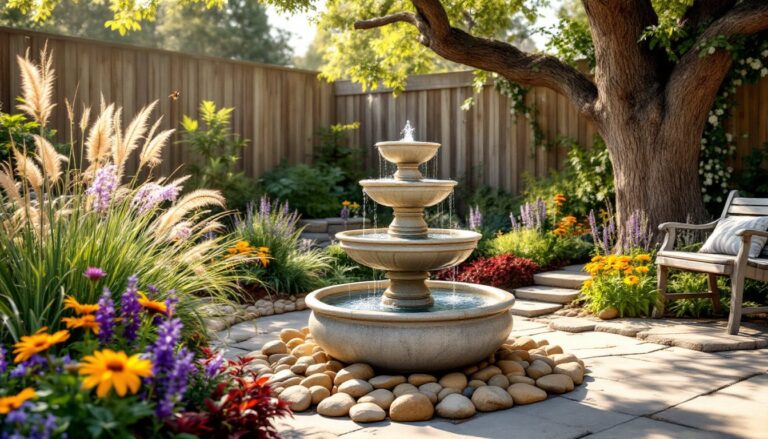
Meditation gardens use simple materials: a gravel path (¾-inch crushed stone over landscape fabric), a flat stone or concrete bench, and low-maintenance plants like ornamental grasses and evergreens. Incorporate a small water feature, a recirculating fountain needs only a waterproof basin, a submersible pump (120 GPH for a 2-foot fountain), and a GFCI outlet.
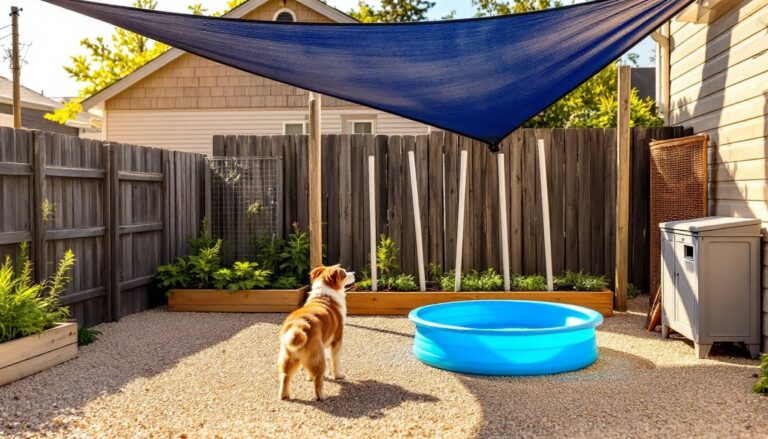
Shade sails create modern overhead coverage. Mount stainless steel turnbuckles and eye bolts to posts or building fascia (hit studs or use backing blocks). Tension them at 10-15% overlap to prevent sagging. UV-rated fabric lasts 8-10 years.
Budget-Friendly DIY Projects You Can Start This Weekend
Pallet furniture costs almost nothing if local businesses give away pallets (avoid chemically treated ones marked MB). Sand them smooth (80-grit, then 120-grit), seal with exterior polyurethane or paint, and stack for benches or planters. Add outdoor cushions for comfort.
Concrete pavers laid in sand (no mortar) create paths or patios for $2-4 per square foot. Excavate 6 inches, add 4 inches of compacted gravel, level 2 inches of sand, set pavers, and sweep polymeric sand into joints. A hand tamper and a 4-foot level are the only special tools needed.
Garden borders from stone collected on-site or bought in bulk (typically $50-100 per ton) define beds naturally. Stack them dry (no mortar) one or two layers high. This takes an afternoon for a 20-foot border.
String light poles from 4×4 pressure-treated posts sunk 24 inches in concrete create mounting points without running wire to the house. Paint or stain them, add screw-in hooks at 8-10 feet high, and tension galvanized cable between posts. Total cost: about $30-50 per pole.
Painted concrete transforms dull patios. After cleaning with TSP substitute and etching with muriatic acid (wear gloves and goggles), apply concrete primer and two coats of porch and floor paint. This runs about $1 per square foot for materials. Stencils or tape create patterns.
Outdoor planters from cinder blocks stack into vertical gardens or herb walls. Set them on gravel for drainage, fill the cells with potting soil, and plant directly. A 10-block vertical planter costs under $25 and grows a dozen plants.
These approaches align with advice found in resources focused on beginner-friendly outdoor projects, emphasizing achievable transformations over weekends rather than months.
Conclusion
Outdoor spaces earn their keep when they’re designed for actual use, not just admired through a window. Start with one zone, a fire pit, a dining area, a single raised bed, and build from there as time and budget allow. Most backyard improvements don’t require professional skills, just careful planning, honest assessment of skill level, and attention to the prep work that separates projects that last from those that need a do-over in two years.